Countries have identified the climate technologies they need. The next challenge is turning these priorities into concrete projects, mobilising finance and accelerating implementation on the ground.
How can developing countries move from identifying climate technology needs to implementing solutions that deliver tangible climate action? This question was at the centre of the COP31 side event, “Bridging the Gap: From Global Technology Negotiations to National Implementation – Lessons from Liberia and the LDC Group.”
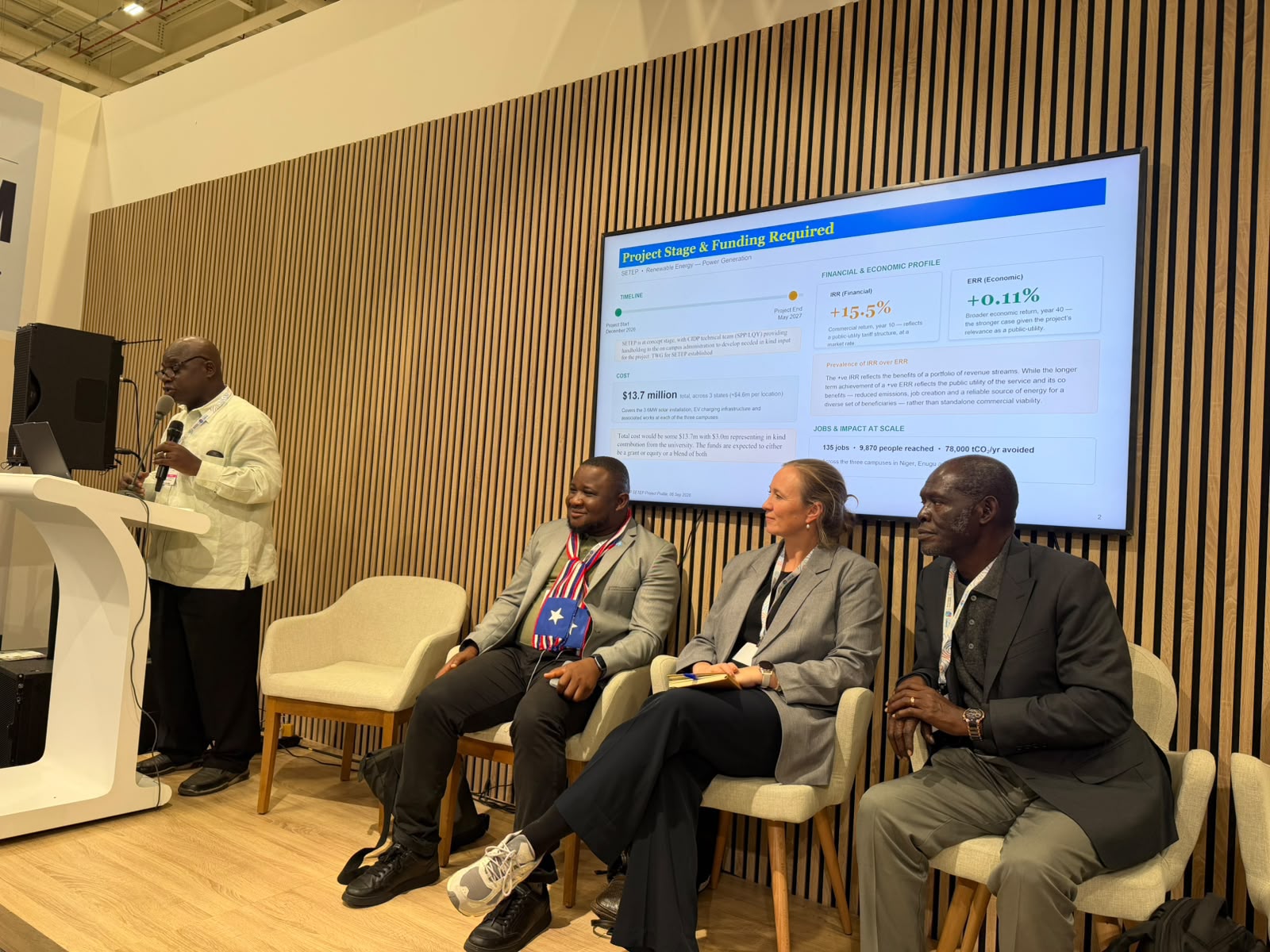
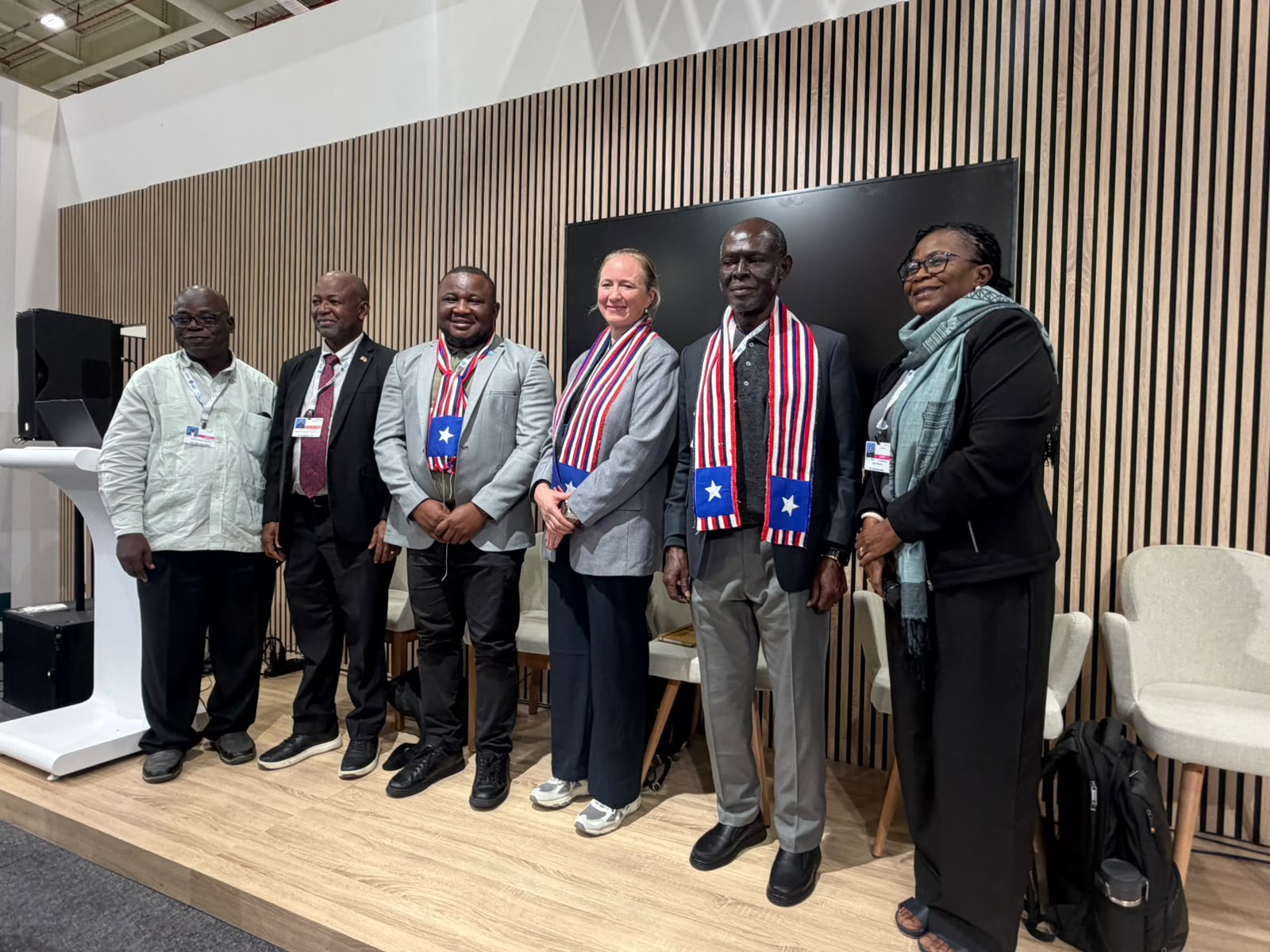
Co-organised by the Government of Liberia, the Least Developed Countries (LDC) Group and UNEP Copenhagen Climate Centre (UNEP-CCC), the event brought together climate negotiators, technical experts and national practitioners to explore how technology priorities identified through national processes can be translated into concrete projects and scaled-up climate solutions.
From identifying needs to delivering climate action
Drawing on Liberia’s experience, discussions explored progress made in advancing climate technology priorities, as well as the persistent challenges countries face in moving from planning to implementation.
Through processes such as Technology Needs Assessments (TNAs), Technology Action Plans (TAPs), Nationally Determined Contributions (NDCs) and National Adaptation Plans (NAPs), countries have made significant progress in identifying the technologies needed to address their climate challenges. However, translating these priorities into implemented projects remains difficult.
Limited access to finance, technical and institutional capacity constraints, and a lack of investment-ready project pipelines continue to hinder the deployment and scaling-up of climate technologies, particularly in developing countries.
Participants stressed that identifying technology needs is only the first step. Greater attention must now be given to project preparation, enabling environments and access to the financial and technical support required to turn national priorities into action.
Strengthening support for the LDCs
Representatives of the LDC Group highlighted the importance of ensuring that the priorities and specific circumstances of Least Developed Countries are adequately reflected in the work of the UNFCCC Technology Mechanism and broader international support frameworks.
The discussions also underscored the need to strengthen the connection between climate technology and finance. In the context of the first Global Stocktake and the growing urgency to accelerate climate action, participants emphasised that technology development and transfer must be accompanied by stronger financial support and practical pathways for implementation.
Liberia’s National Designated Entity (NDE) shared insights into the country’s efforts to advance climate technology implementation. The experience highlighted the importance of stronger institutional coordination, enhanced technical capacities and sustained support for developing projects from initial concepts through to deployment.
Turning technology priorities into investment-ready projects
Sara Traerup, Head of Technology and TNA Global Lead, UNEP-CCC highlighted its role in helping countries bridge the gap between technology planning and implementation. This includes supporting the development of project concepts, strengthening enabling environments, building national and local capacities, and connecting identified technology priorities with potential financing opportunities.
Participants also emphasised that successful technology transfer goes beyond the introduction of equipment or technical solutions. It requires long-term capacity development, knowledge sharing and local ownership to ensure that technologies can be effectively operated, maintained and sustained.
A key message emerging from the event was that implementation cannot be achieved by individual institutions working in isolation. Stronger collaboration across the climate technology ecosystem is essential, bringing together governments, international support institutions, financiers, technology providers and the UNFCCC Technology Mechanism.
Accelerating the journey from planning to implementation
The event concluded with a shared recognition that climate technologies are essential to achieving the goals of the Paris Agreement, particularly in countries that are most vulnerable to climate change.
Moving forward, participants called for strengthened efforts to connect technology needs identification with project preparation, financing, deployment and scale-up. Ensuring that national technology priorities receive the support needed to progress through each of these stages will be critical to delivering meaningful benefits for communities and advancing resilient, low-emission development.