
News

Turning Technology Priorities into Climate Action
The fifth Technology Needs Assessment phase has identified climate technology priorities across 17 countries, helping translate national mitigation and adaptation needs into actionable plans, investment opportunities and access to climate finance.
November 17th, 2026

From the Ground Up: How The Gambia Wrote its Third National Climate Plan
The Gambia’s new NDC 3.0 sets out more ambitious climate targets for 2035, combining emissions reductions, adaptation and loss and damage measures, with priorities shaped by consultations across the country’s five regions.
November 5th, 2026

Bangladesh Secures $100 Million for Climate-resilient Affordable Housing
Building on a pilot supported by UNEP and the UNEP Copenhagen Climate Centre, a new loan from the Asian Development Bank tackles affordable housing, financial inclusion and climate resilience
November 5th, 2026

As world heads for overshoot of 1.5°C, adaptation is too slow
The 2026 Adaptation Gap Report shows growth in international public adaptation finance flows are flattening. Tripling international public adaptation finance to developing countries by 2035 will only cover 20-29 per cent of needs, with loss and damage growing.
November 4th, 2026
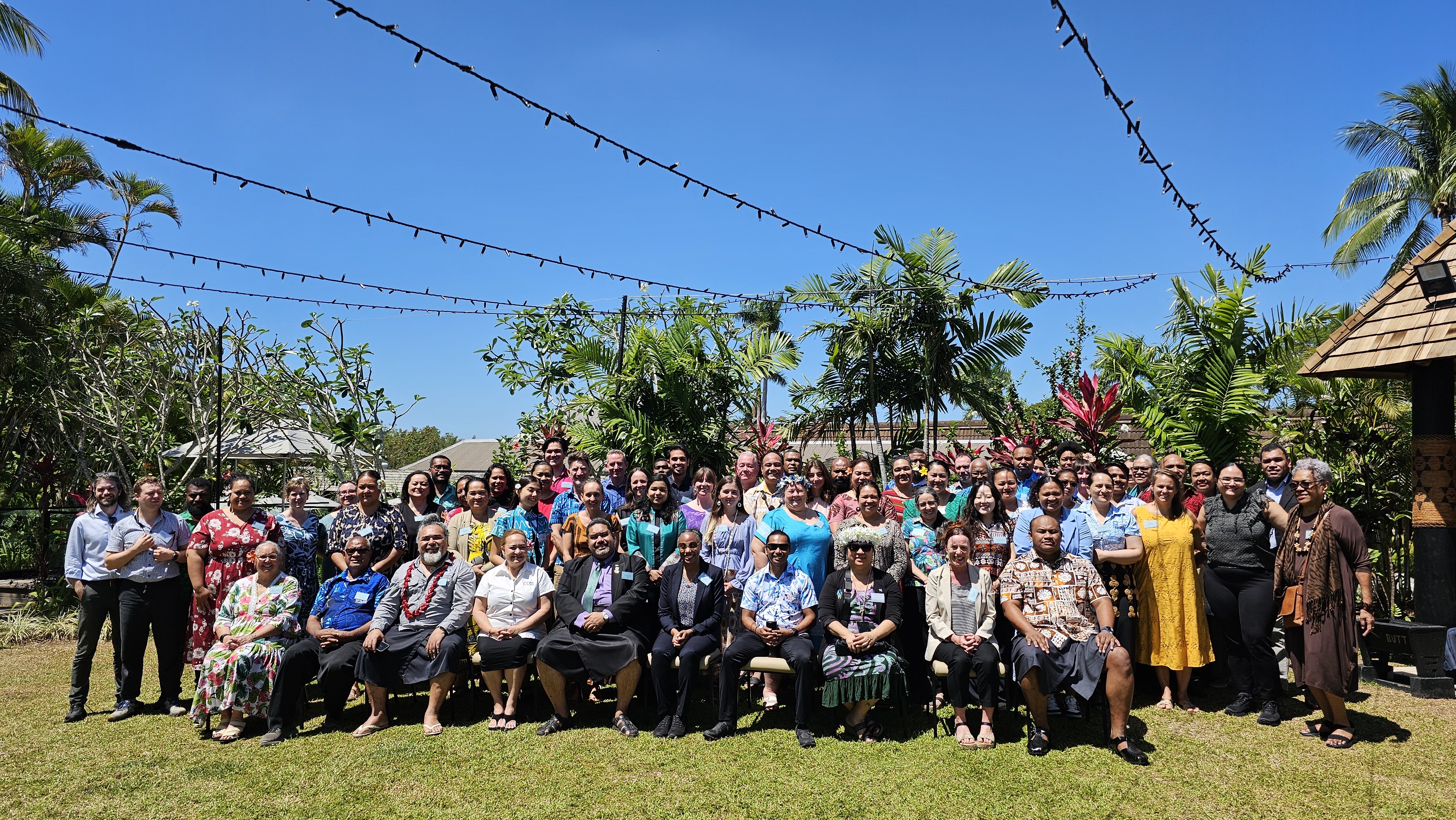
Count what matters: Non-economic losses symposium in the Pacific
The Pacific Symposium on Loss and Damage brought together regional stakeholders to explore Pacific-led approaches to addressing non-economic climate losses, emphasizing Indigenous knowledge, improved data, stronger coordination, and access to finance and technical support.
October 29th, 2026

New report urges investment in Ocean Carbon Intelligence to safeguard the ocean’s climate role
The ocean is one of our most important climate allies, but its ability to regulate the climate is under growing pressure. The 2026 Climate Technology Progress Report shows rapid emissions reductions, stronger understanding of ocean carbon processes, and responsible development of ocean-based climate technologies are required.
October 28th, 2026
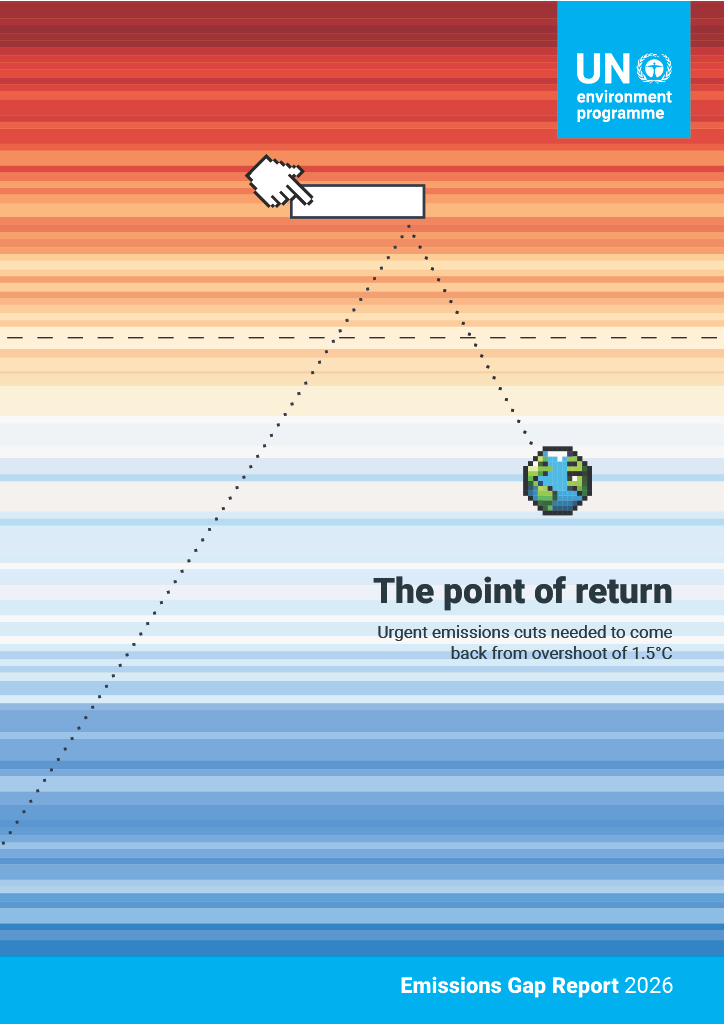
The emission cuts needed for return to 1.5°C
The 2026 Emissions Gap Report shows the lowest possible overshoot limits warming around mid-century to 1.7-1.8°C, with emissions cuts of 45% by 2035 needed, alongside increasing carbon removal. It also highlights advances in renewables and effective climate policies across countries and sectors, but massive global scale-up required to get on track
October 21st, 2026

New transparency tool connects NDC tracking with Article 6 accounting
The NDC-CAT introduces an easier framework for tracking NDC implementation and carbon market participation, combining reporting on article 6 and article 13 of the Paris Agreement
October 19th, 2026

Pakistan Article 6 Network Moves Towards Formalization
Pakistan’s CoP-ASIC network has become the Pakistan Advanced Climate Research and Innovation Network (PACRIN), establishing independent governance and leadership to continue supporting national climate research, capacity building, and Article 6 cooperation beyond the SPAR6C programme.
October 12th, 2026

Building momentum for 2026 transparency reporting at Baku Climate Week and beyond
Stakeholders are coming together in Baku and Australia to help countries advance their transparency reporting and submitting BTRs
September 10th, 2026
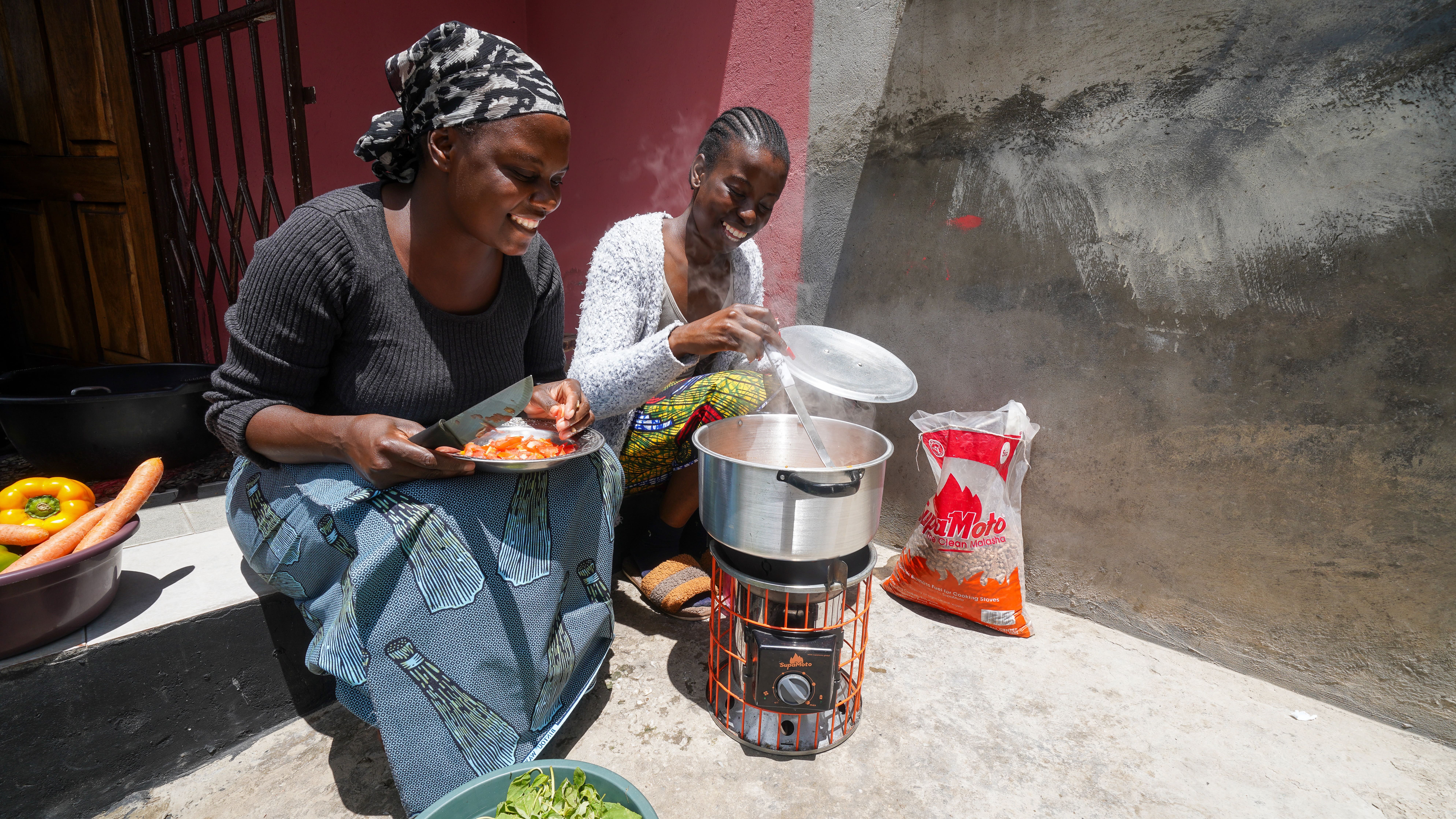
Zambia clean cooking project demonstrates potential of Article 6
A clean cooking project in Zambia, supported through the SPAR6C programme, has been authorized under Article 6.2, enabling international transfer of emission reductions as ITMOs and generating carbon finance to support its expansion.
September 7th, 2026
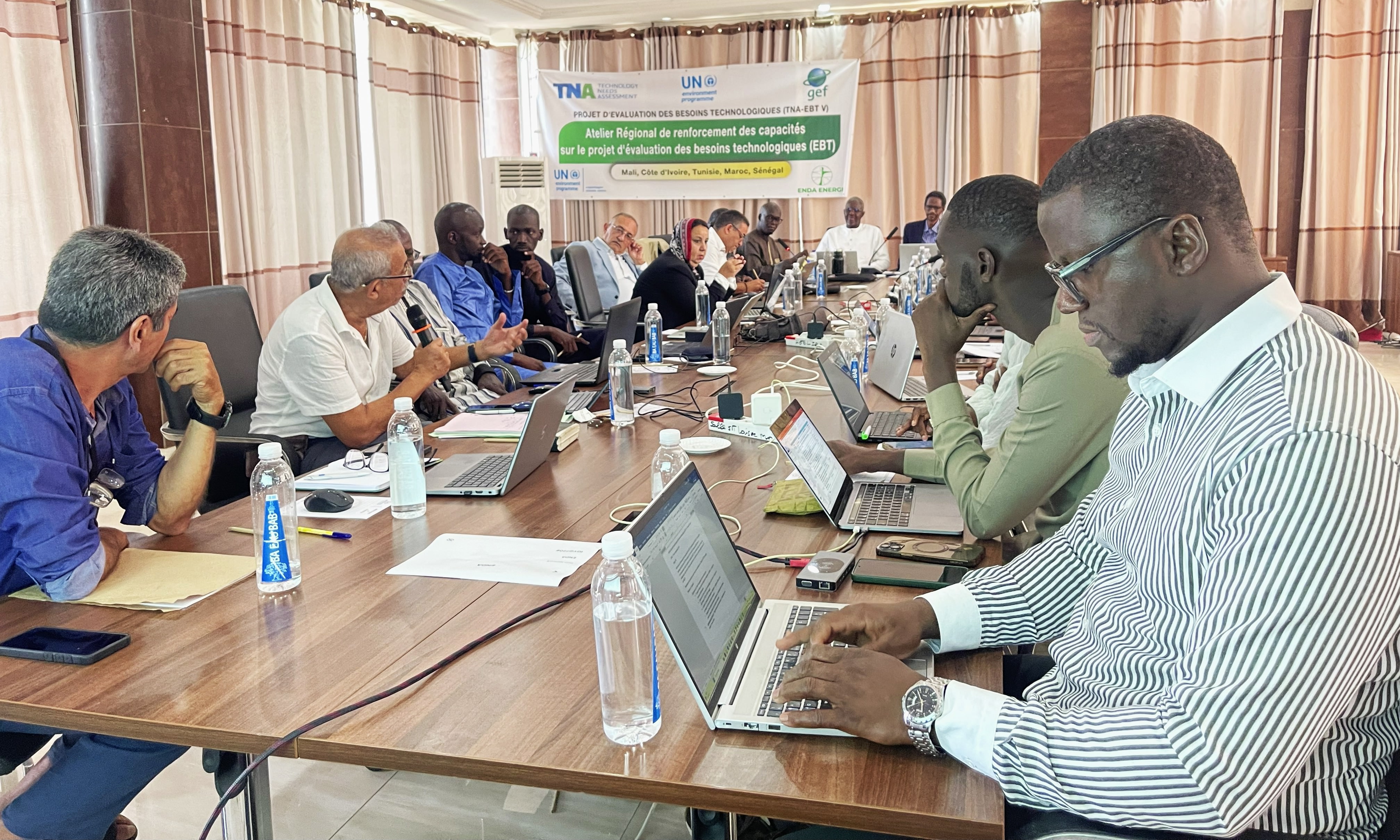
Regional workshop advances Technology Needs Assessments
Countries across Francophone Africa addressing the barriers standing in the way of deploying priority technologies for climate action.
September 4th, 2026