Gambia has launched its third national climate plan, the country’s Nationally Determined Contribution, outlining how the country will mitigate and adapt to climate change.
The important document was not written from a ministry office in Banjul, but developed by the regions, dozens of communities, and hundreds of comments.
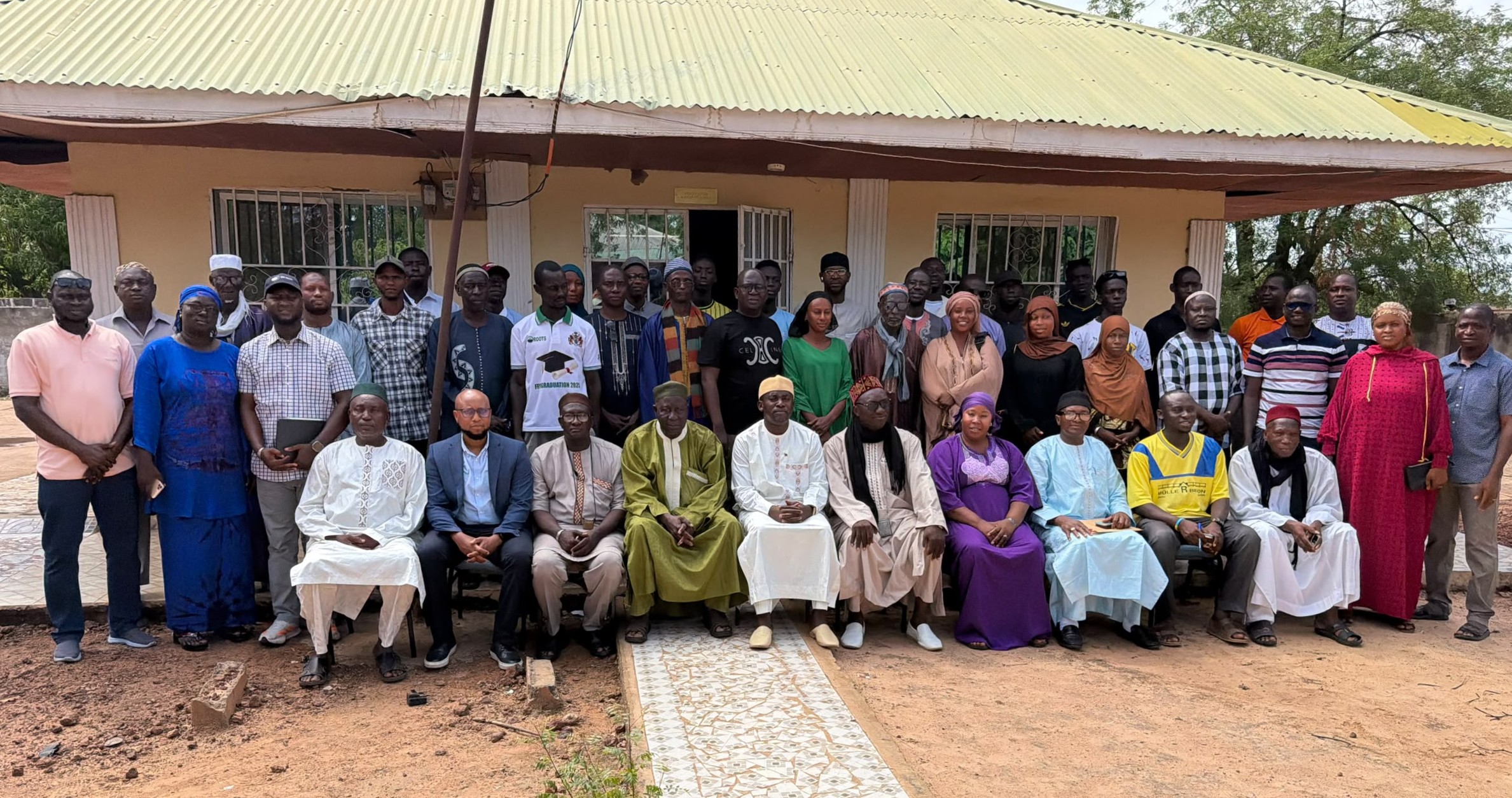
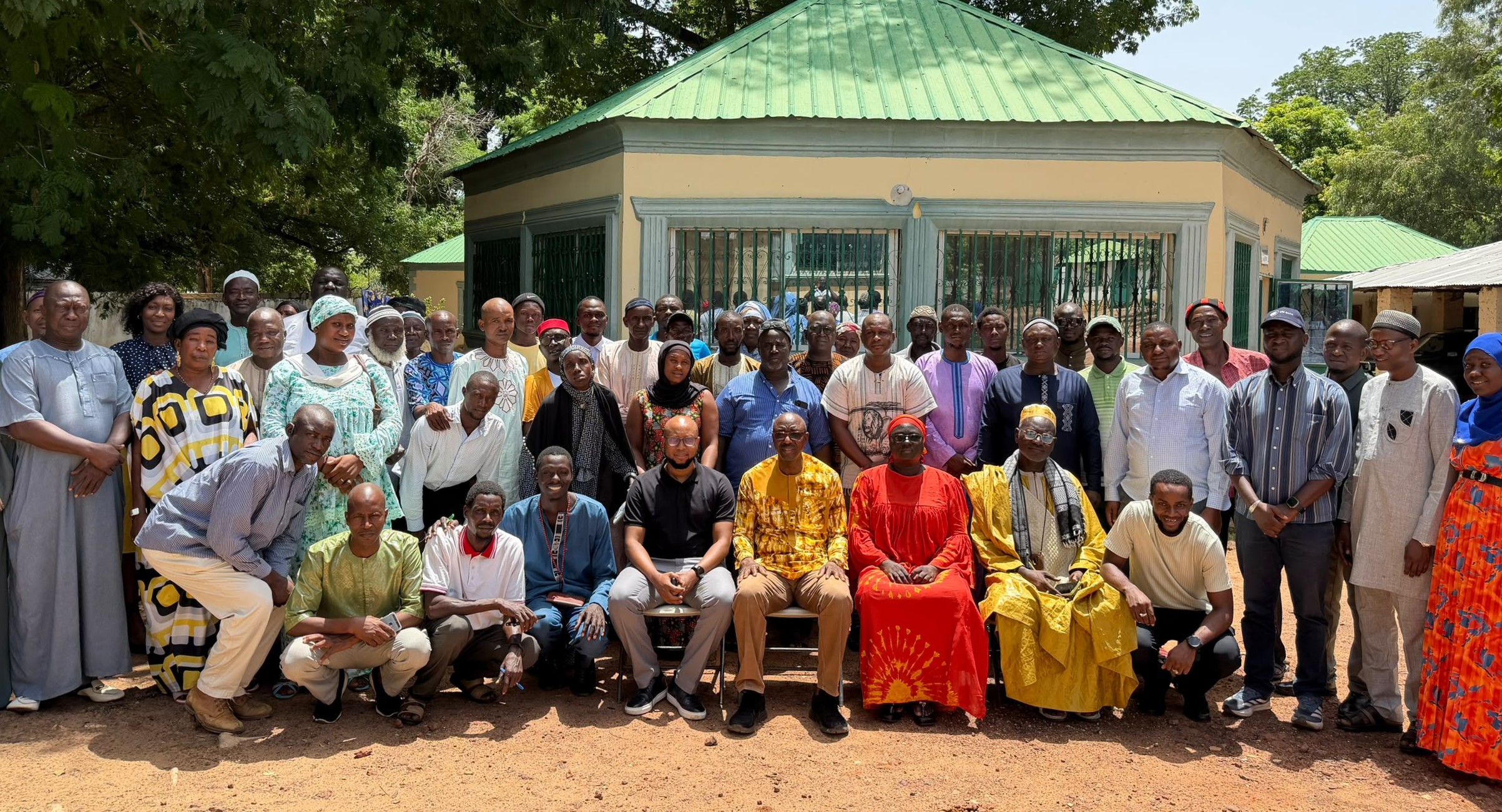
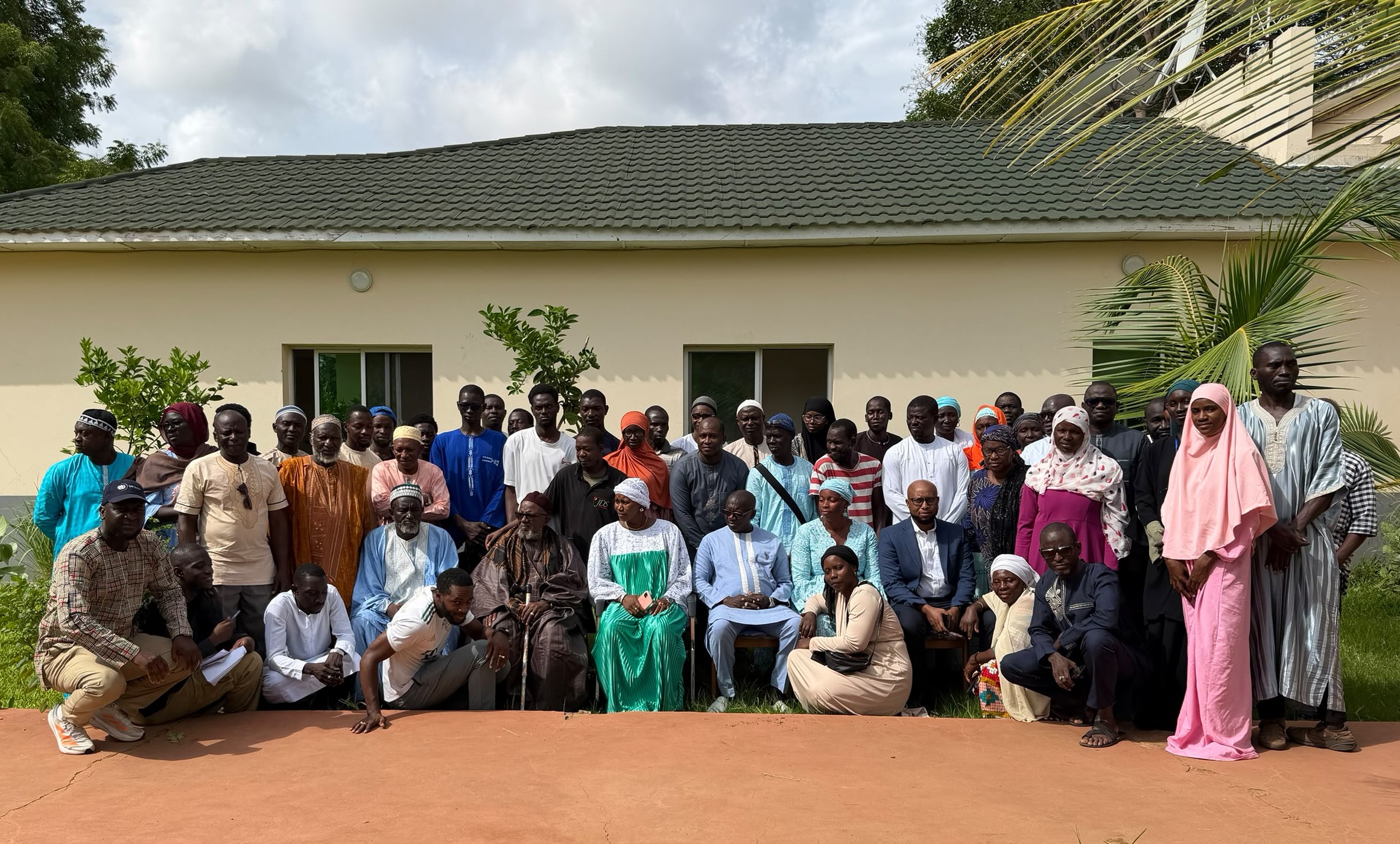
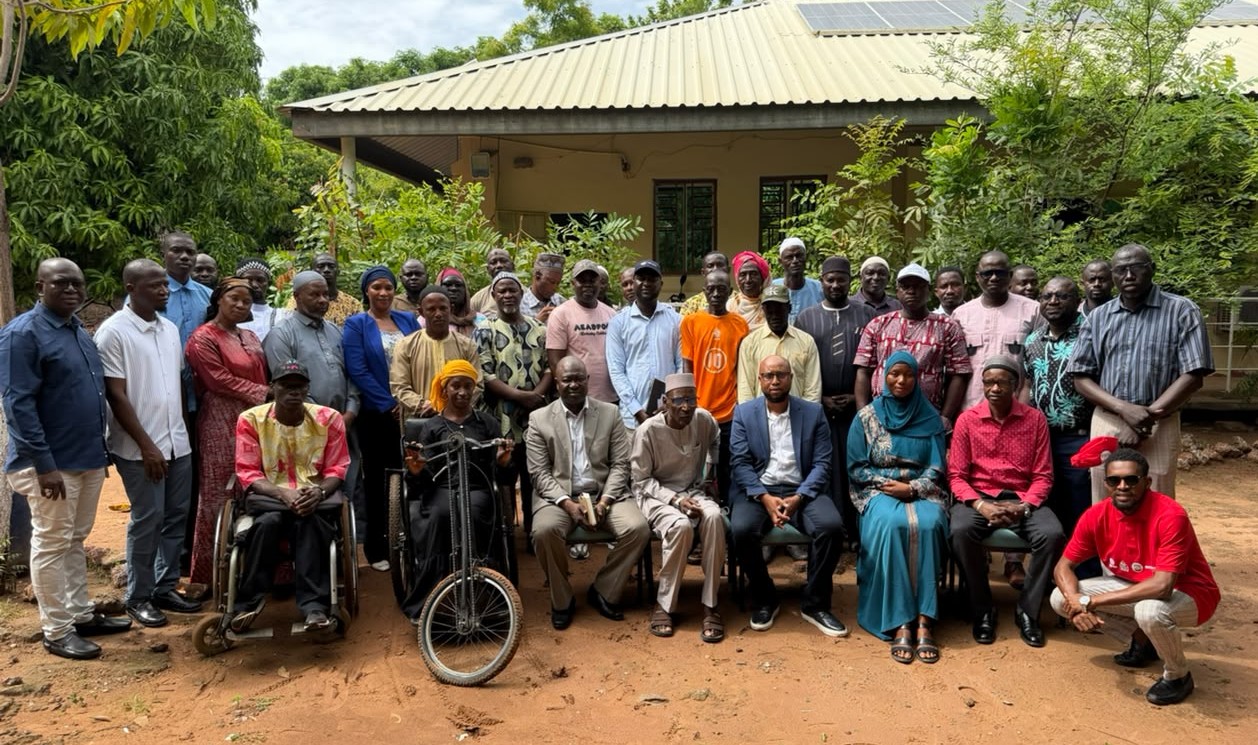
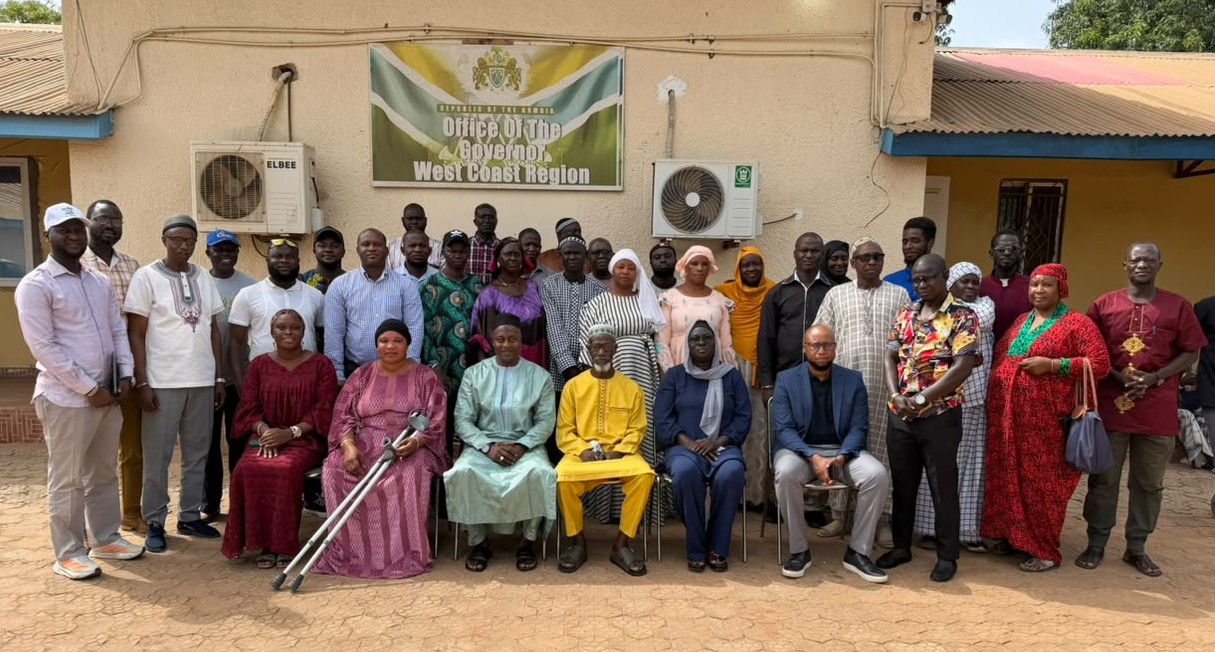
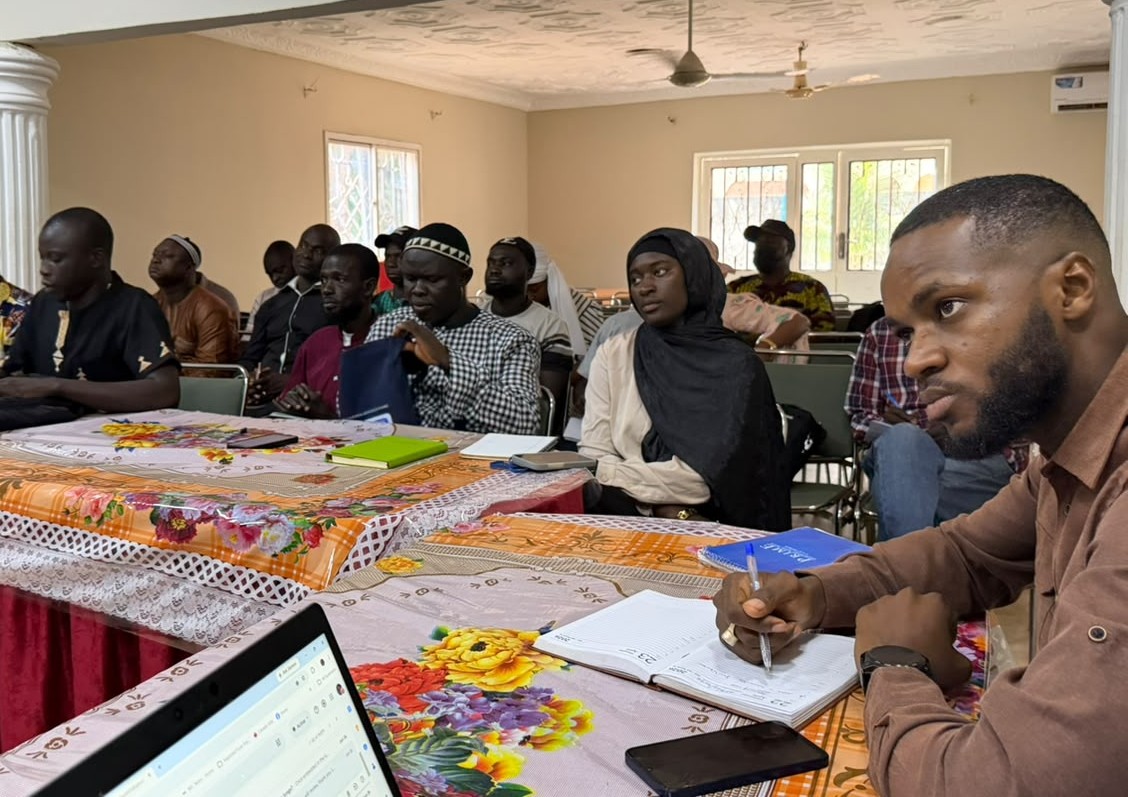
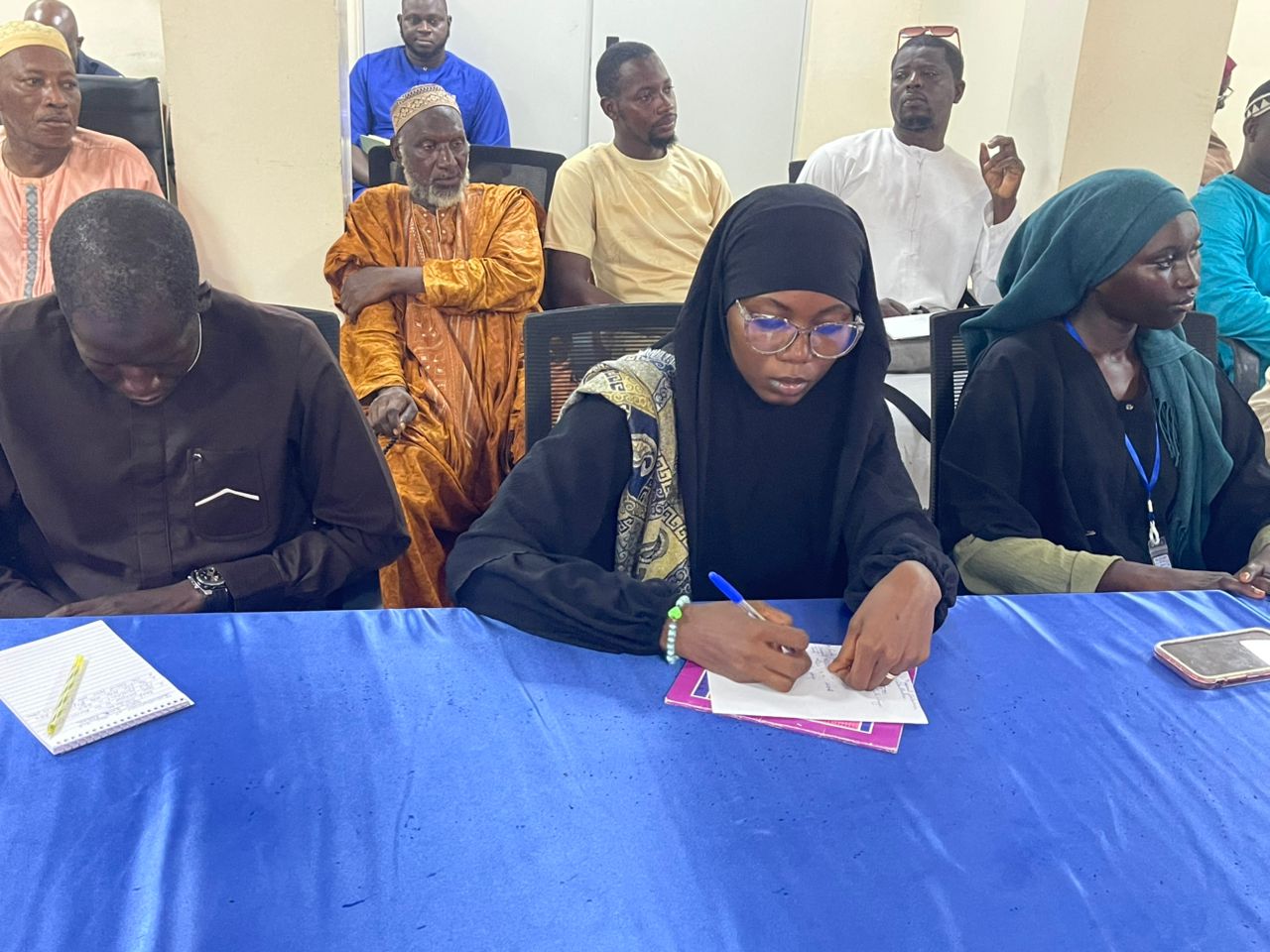
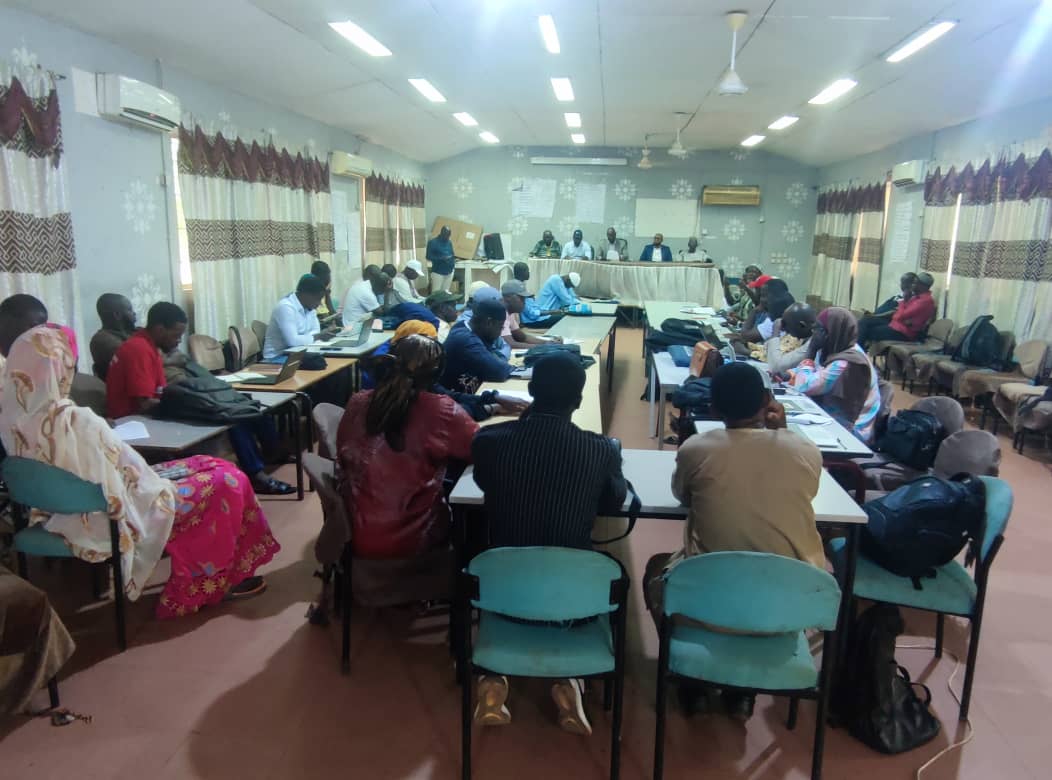
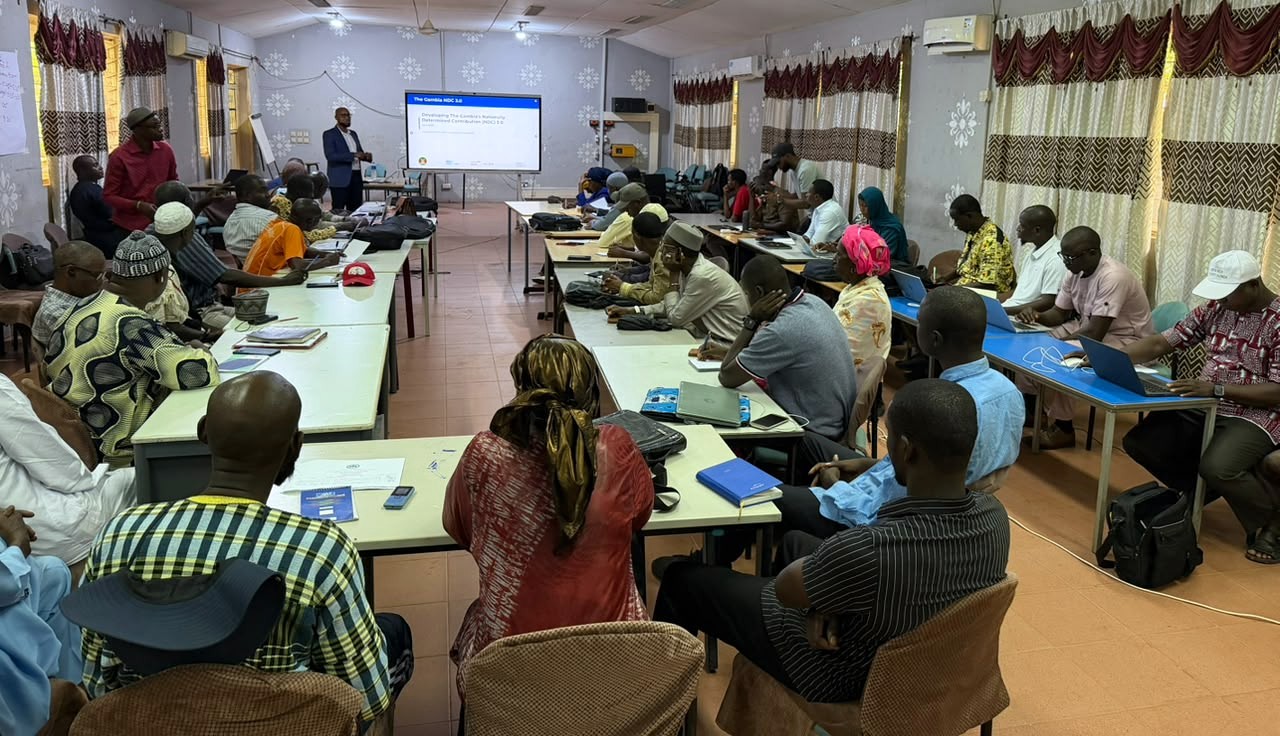
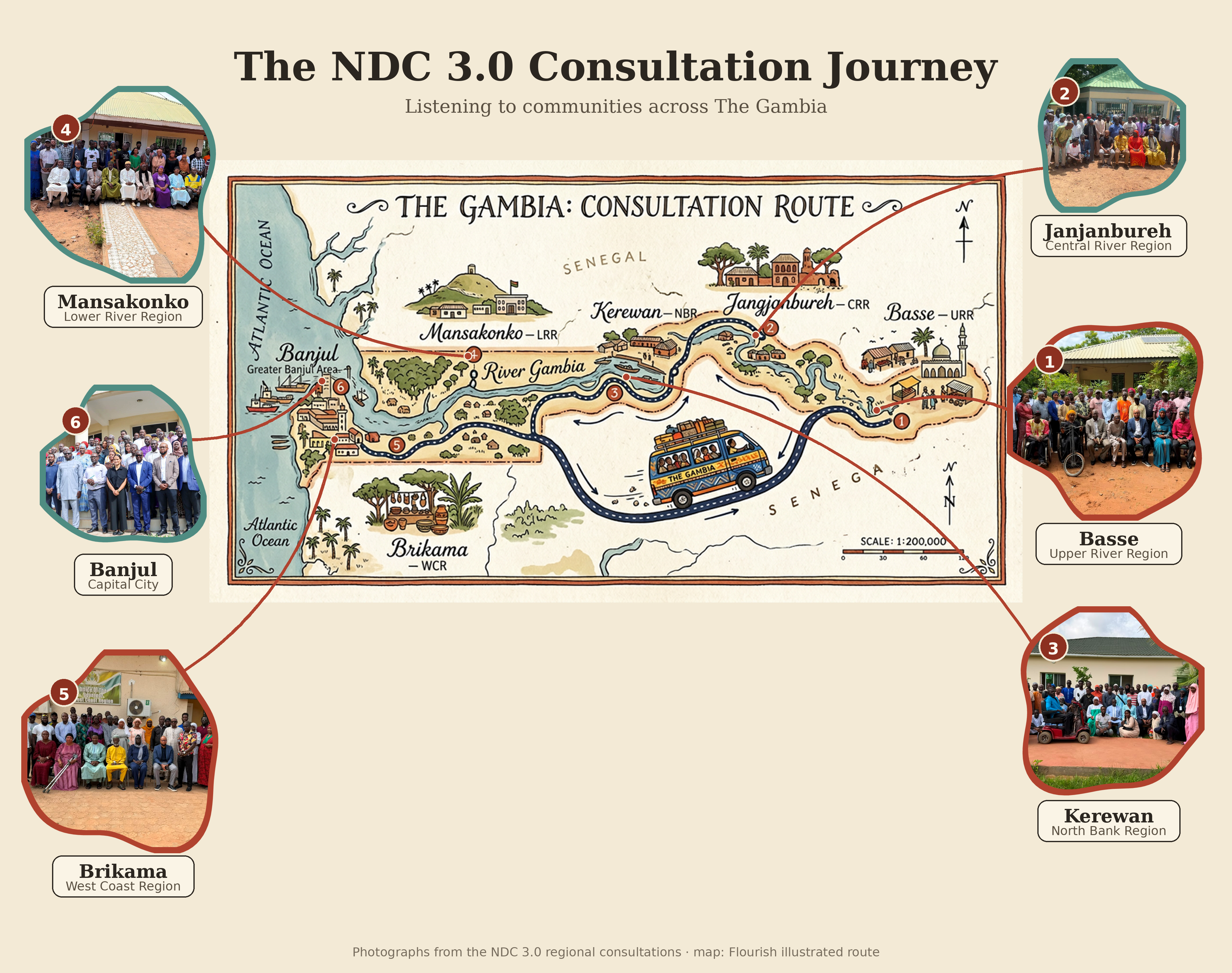
In June 2026, a team of just over ten people set out on a week-long journey across Gambia’s regions. The group brought together colleagues from sectoral ministries, the Ministry of Finance, and the Ministry of Environment, Climate Change and Natural Resources, alongside three technical consultants working with UNEP and the UNEP Copenhagen Climate Centre funded through an NDC Partnership grant, one technical expert from AFD’s AdaptAction project, and Gambia’s own NDC facilitator, supported by the NDC Partnership – all to discuss the country’s climate plan with Gambians directly.
The NDC 3.0 – A different approach
Gambia’s emissions are less than 0.01% of global greenhouse gas emissions, but its exposure to climate risk is high. Floods, drought, extreme heat, coastal erosion, sea-level rise, saltwater intrusion, windstorms and bushfires all affect the same land, water and coastal systems that most Gambians’ lives and work depend on. These hazards also reinforce each other: drought degrades land and depletes food reserves, so damage from subsequent floodings are increased.
Gambia’s NDC, submitted under the Paris Agreement, sets out the country’s emission reduction targets and mitigation measures, adaptation priorities, and for the first time, actions on loss and damage, as well as the finance, technology and capacity building needed to get there.
Gambia’s previous NDC – NDC 2.0 – covering 2021-2030 – set a target of cutting emissions by 49.7%, compared to where they were expected to be by 2030 without action, mostly dependent on international support. A review of NDC 2.0 found that progress on several planned activities but no adequate system to track and verify what it achieved.
NDC 3.0 commits Gambia to cutting emissions 7.2% below what they would otherwise reach by 2035 without new international support, or 31.9% with the support. The NDC 3.0 looks further ahead to 2035 and uses newer national figures to estimate how much emissions would grow without action. The full target of the NDC 3.0 thus cuts slightly more emissions than the NDC 2.0: about 3.6 million tones a year, compared with 3.3 million tones.
“The preparation of NDC 3.0 was nationally led and broadly participatory. Government institutions, civil society organisations, communities, research institutions, private-sector representatives and development partners contributed their knowledge, priorities and experience. Their participation has strengthened national ownership and helped ensure that the NDC responds to The Gambia’s development needs and climate realities.” – Hon. Rohey John Manjang, Minister of Environment, Climate Change and Natural Resources
For the first time, this ambition is also backed by a plan to track progress and assess whether commitments are being met. NDC 3.0 sets up a single national system to follow every measure, from solar installations to restored forests, linking each one to its budget, its progress and its results. On the adaptation side, Gambia worked closely with AdaptAction, a project funded by the French Development Agency (AFD), to develop an adaptation monitoring, evaluation and learning framework for the NDC 3.0.
From solar to coastal resilience
The NDC 3.0 mitigation commitment is built from 39 measures – such as solar power, energy efficiency in industry, reducing methane from rice farming, reforestation, and capturing gas from landfills. Each comes with its own projected emissions reduction.
Ten of these measures do not depend on new international support, and together they deliver the 7.2% cut. ; The other 29 are conditional on receiving international support, and would then bring the total emissions reductions to 31.9%.

“The people on the ground feel the impact of climate change, and coming to face them, they tell you a real story. This is not, superficial – they are real stories.” – Lamin Saidykhan, Governor, North Bank Region (NBR)
The adaptation ambition has also been deliberately raised compared to the previous NDC. Focus is on building adaptation capacity alongside emissions reduction – enabling development through resilience and adaptation together.
The NDC is structured around six priority adaptation systems that reflect national priorities, risks and outcomes for 2035: coastal resilience and integrated water-resource management; climate-smart agriculture and food and nutrition security; health-system resilience; ecosystem-based adaptation and biodiversity; infrastructure, settlements and disaster-risk management; and locally led, gender-responsive and socially inclusive adaptation.
Grounded in realities
Delivering the mitigation measures is estimated to cost nearly $900 million. Adaptation carries a price tag of roughly $590 million. Loss and damage – the support needed when preparation isn’t enough – adds another $250 million, with a further $85 million for the cross-cutting systems needed to track and coordinate it all. These aren’t fixed numbers. They’re guided figures, and the document is explicit that they can move.
“Women are the ones who will go to the bush to find firewood… women are the ones who are also involved in charcoal burning because economically, we all know women are weak. Without that, those are the measures women are using in order to enforce themselves and also to enrich their families.” Sira Sabally, counselor of Bureng Ward of Mansakonko Area Council
An NDC that can mobilize this financing has to be more than a well-written document. It has to be detailed and grounded in the realities on the ground, enabling investors, donors and Gambian institutions to act.
This added additional importance to the regional consultations as more than discussions on climate impacts and needs: Findings from the five regions fed directly into defining baselines, assigning institutional ownership, and building a tracking framework tied to the national inventory and biennial reporting – so activity can be confirmed rather than assumed, and so ownership sits with the people and institutions implementing measures, not only the ministries reporting on them.
Seeing synergies and a just transition
NDC 3.0 also adds a standalone Loss and Damage chapter, covering impacts mitigation and adaptation won’t prevent. A Just Transition framework, ensuring that the shift to a lower-emission economy doesn’t disadvantage the communities, women and rural communities least able to absorb the cost. And an adaptation approach built around a monitoring and evaluation system, that makes it possible to check progress.
Share this
Tags: Gambia, NDC, NDC Partnership