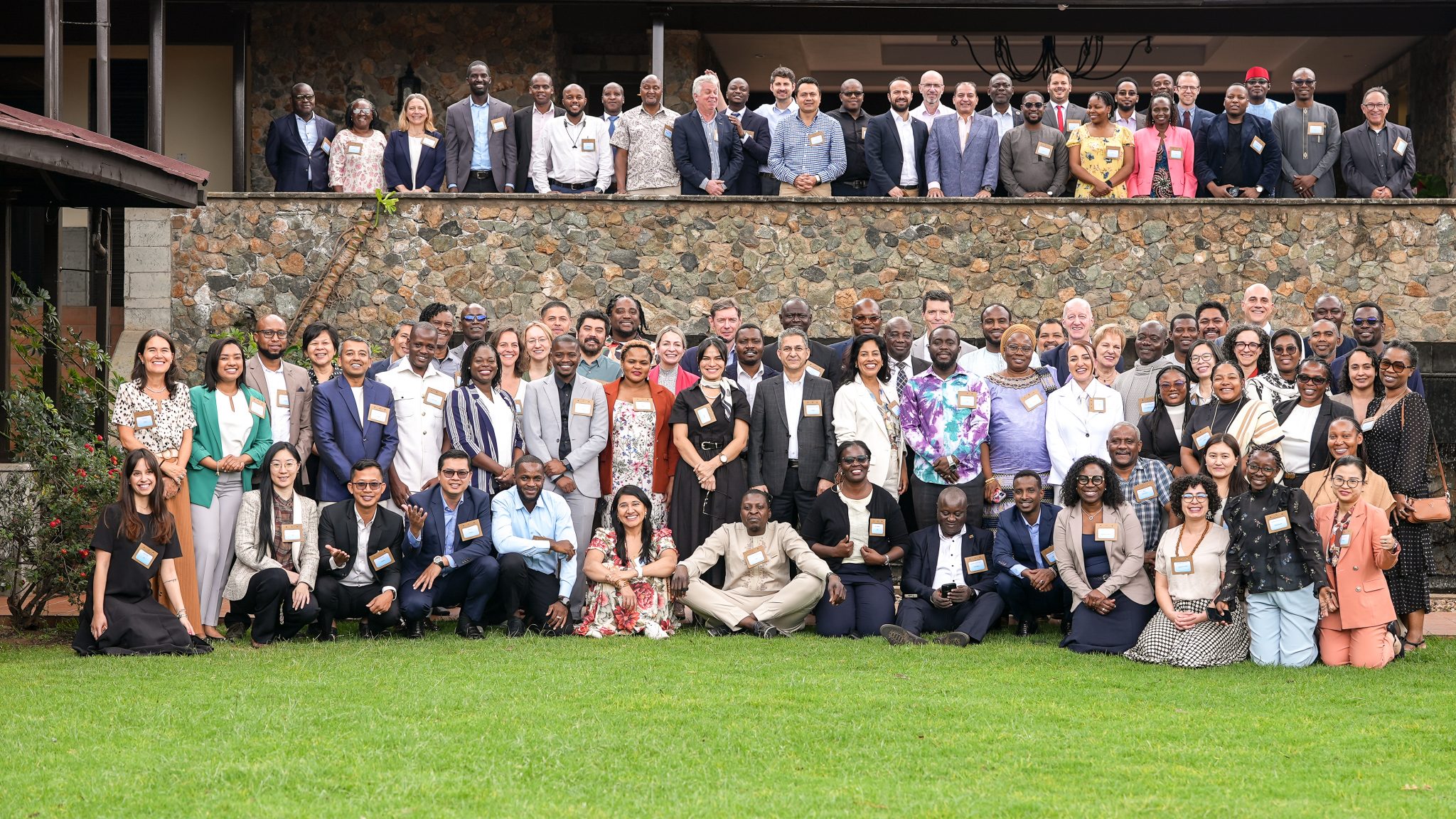
More than 120 government representatives and experts gathered in Naivasha, Kenya, from 14–16 April 2026 for the Global Transparency Community Meetings under the theme Transparency to drive effective implementation of NDC 3.0. Through discussions and hands-on exercises, participants explored how transparency systems can support NDC implementation and inform policy and finance decisions.
The meetings enabled representatives from more than 70 countries to exchange practical approaches for strengthening national transparency frameworks, focused on how Biennial Transparency Reports (BTRs) and NDCs can be better aligned to support effective implementation of the Paris Agreement.
A practical approach
UNEP Copenhagen Climate Centre played a central role in shaping the technical programme through the Capacity-Building Initiative for Transparency – Global Support Programme (CBIT-GSP). CBIT-GSP experts designed and led the first full day of the meetings, focusing on practical approaches to strengthening transparency systems for NDC implementation.
In collaboration with co-organizers, CBIT-GSP facilitated hands-on breakout sessions that enabled participants to apply their own country experiences. Through these exercises, countries identified key considerations for enhancing transparency frameworks, including improving data systems, strengthening institutional arrangements, and supporting policy planning.
Additional exercises based on a fictional country case prepared by the CBIT-GSP team provided a practical framework for translating BTR findings into policy decisions. Participants explored how to identify priority sectors, address system gaps and strengthen coordination across institutions, demonstrating how transparency outputs can directly inform national climate strategies.
Transparency and data enabling climate policies
A central message throughout the discussions was that transparency is not a standalone reporting requirement but a core component of the climate policy cycle. BTRs provide data on greenhouse gas emissions, mitigation and adaptation progress, and climate finance needs and flows. In practice, this enables countries to assess progress, identify gaps and inform the design and adjustment of policies and measures.
Participants emphasized the importance of strong institutional arrangements to support effective transparency systems. Coordinated governance structures, integrated data platforms and sectoral engagement were identified as key elements for ensuring sustained implementation and strengthening national ownership of climate action.
“A cornerstone of trust and effective climate action”
Transparency was also highlighted as a strategic tool for mobilizing and managing climate finance. By linking policies, costs and impacts, transparency frameworks can strengthen credibility and support the development of investment-ready climate actions. Several countries noted that improved transparency has helped build trust with international partners and guide the allocation of resources towards high-impact interventions.
“The Global Transparency Community Meeting once again demonstrated that transparency is not only a technical requirement, but a cornerstone of trust and effective climate action,” said Hakan Aydogan, Engineer from the Climate Change Directorate of Türkiye. “Ultimately, enhancing transparency means strengthening trust and with greater trust, we can deliver more meaningful and coordinated action.”
Participants also highlighted the value of peer exchange in addressing shared challenges, including tracking climate finance, strengthening adaptation monitoring systems and improving data integration across sectors.
“Participating in the Global Transparency Community Meetings in Naivasha was a highly valuable experience that provided both technical insights and practical perspectives on how transparency can effectively support the implementation of NDC 3.0,” said Thuso Tserane, Project Coordinator for South Africa’s Biennial Transparency Report. “The discussions and peer exchanges highlighted that many countries, including South Africa, are facing similar challenges, particularly in areas such as tracking climate finance, strengthening adaptation monitoring systems, and improving data integration across sectors.”
He added: “The meeting showed that transparency is not just about reporting. It helps improve decision-making, strengthens accountability, and supports more effective climate action.”
Transparency as the foundation for climate action
UNEP was a major partner in the meetings and supported a number of participating countries, contributing to broad engagement and knowledge exchange across regions.
As countries continue to strengthen their transparency systems and implement NDC 3.0, the Global Transparency Community Meetings reinforced the role of transparency as a foundation for coordinated, credible and effective climate action.
UNEP Copenhagen Climate Centre, through the Capacity-Building Initiative for Transparency–Global Support Programme (CBIT-GSP) co-organized the 2026 Global Transparency Community Meetings along with the Initiative for Climate Action Transparency (ICAT), the United Nations Environment Programme (UNEP), and the United Nations Development Programme (UNDP) with the technical support from other partners, including the UN Climate Change Secretariat (UNFCCC), the Food and Agriculture Organization of the United Nations (FAO), and the Partnership on Transparency in the Paris Agreement (PATPA).