Energy Performance Contracting (EPC) could unlock some of the largest and fastest energy and emissions reductions in Mauritius, particularly in hotels, resorts and shopping malls, according to speakers at a UNEP Copenhagen Climate Centre-supported event held on 23 January 2026 in Port Louis.
The event, Energy Performance Contracting for Hotels, Resorts & Malls – Unlocking your Energy Efficiency Potential, brought together energy service companies (ESCOs), hospitality and retail operators, financial institutions and public authorities to explore how EPC can scale up energy efficiency by removing upfront investment barriers. The event was commonly hosted by the Association des Hoteliers et Restaurateurs Ile Maurice (AHRIM) and the Energy Efficiency Management Office (EEMO) of Mauritius, which has been operating a mandatory energy audit programme since 2017. EEMO collaborates with UNEP Copenhagen Climate Centre for the promotion of EPC in Mauritius.
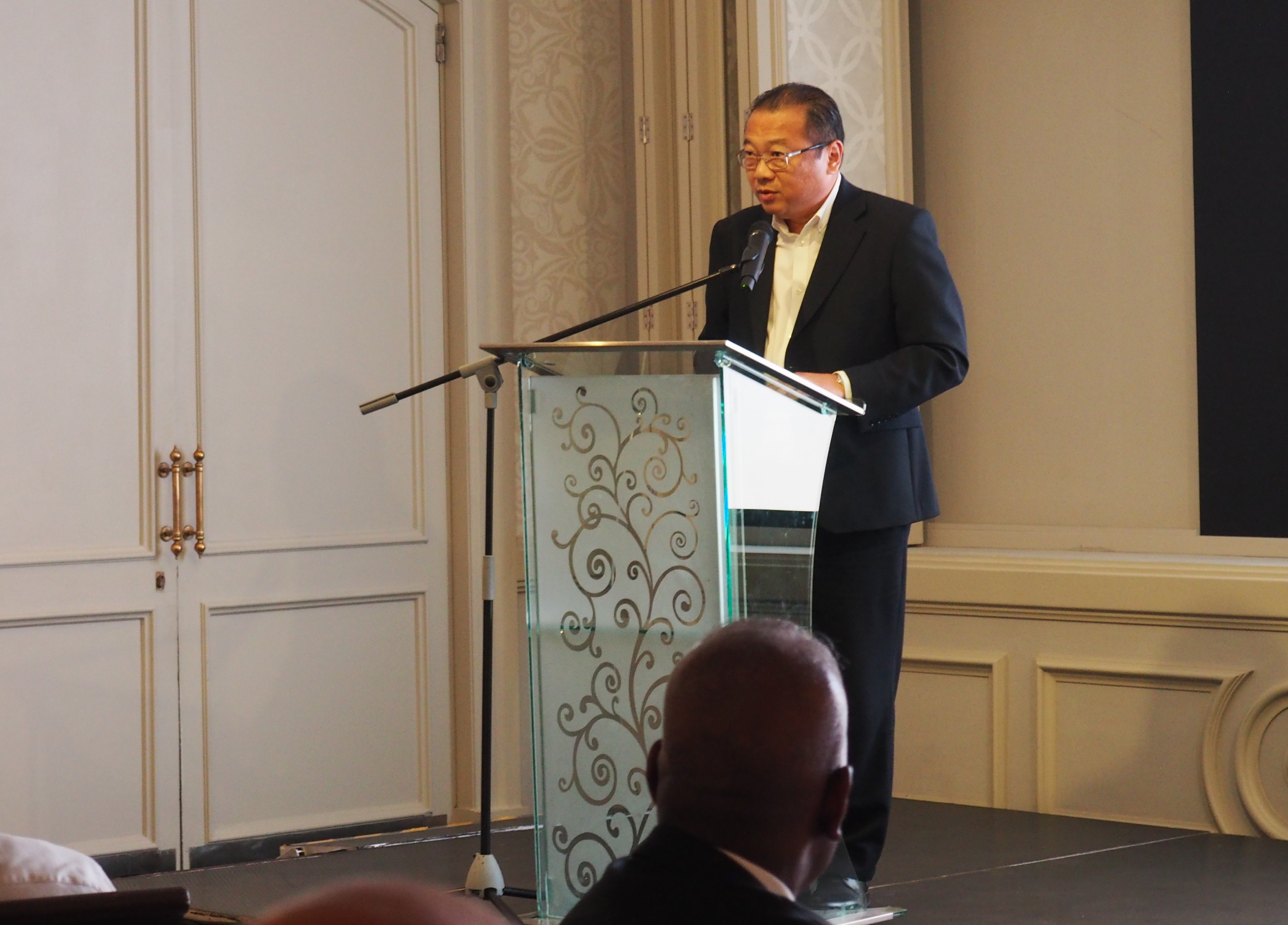
Opening the event, Jocelyn Kwok, CEO of AHRIM, highlighted the sector’s progress on energy efficiency and renewable energy, while stressing that ESCOs can play a decisive role in unlocking the next wave of savings across hotels and resorts.
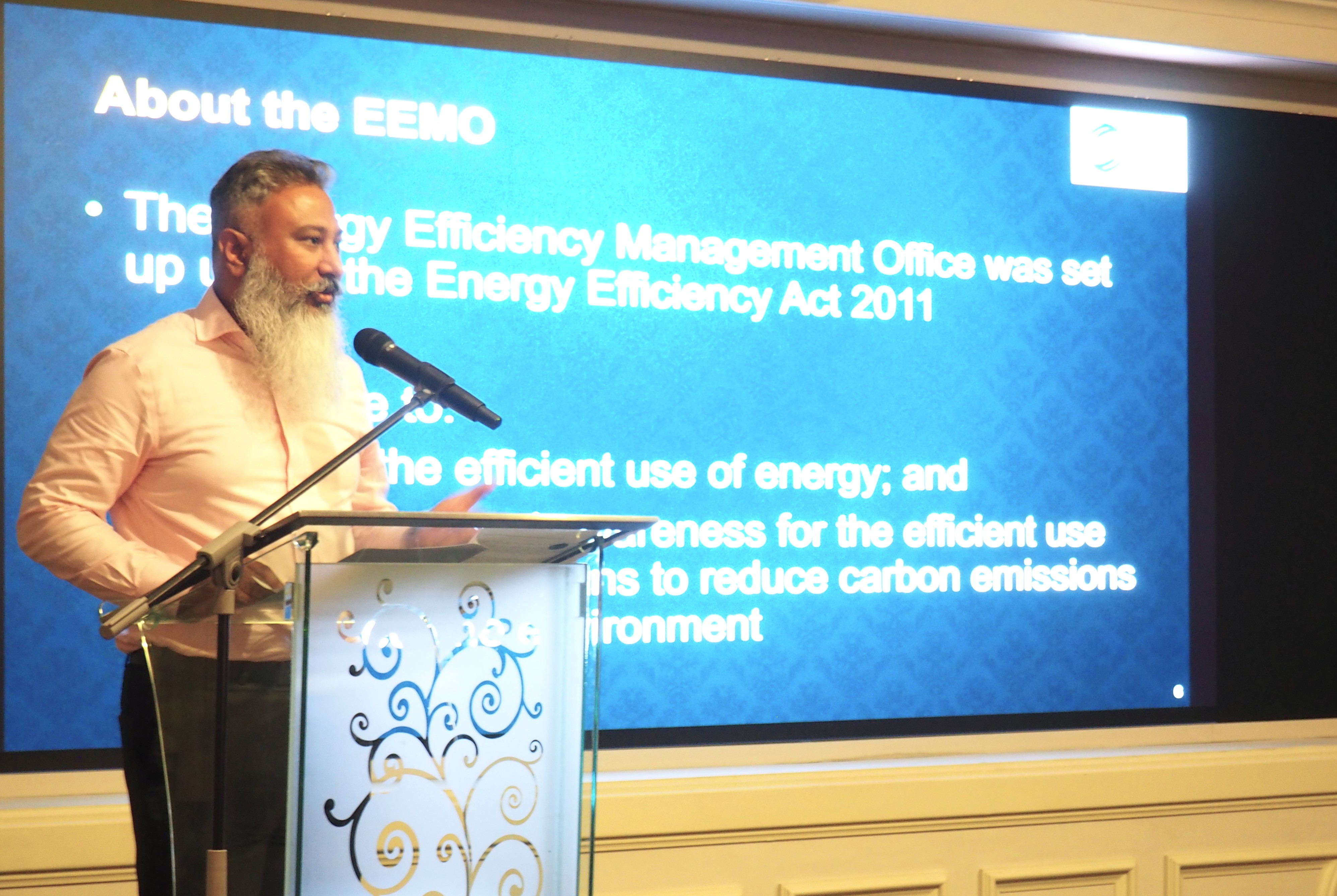
Presenting Mauritius’ energy landscape, Keeshav Ramkurrun – Lead Engineer for Energy Efficiency at the Energy Efficiency Management Office (EEMO) highlighted that 90.9% of the country’s energy supply still comes from imported fossil fuels, and demand is rising rapidly as the climate gets warmer.
Imports of air-conditioning units more than doubled between 2023 and 2024, underlining the urgency of improving energy performance in buildings. Energy audits show large savings potential, but realizing it would require investments of around 3.2 billion Mauritian rupees (about 63 million EUR), he said.
Guarantee mechanism to unlock EPC at scale
From UNEP Copenhagen Climate Centre finance advisor Federico Canu outlined how EPCs can allow ESCOs to finance, install and manage energy efficiency measures, with investments repaid through guaranteed energy savings. However, access to finance remains a key barrier in Mauritius, as banks often consider EPC projects high-risk and ESCOs struggle to provide collateral for assets installed at clients’ premises.
To address this, a UNEP Copenhagen Climate Centre project, funded by the Mitigation Action Facility, is designing a revolving first-loss guarantee. The mechanism aims to reduce risk for commercial banks and unlock private capital for ESCO-led energy efficiency investments in both the public and private sectors.
Analysis presented at the event shows that scaling up EPC with an effective guarantee mechanism could more than cover Mauritius’ energy efficiency targets under its NDC 3.0, while delivering direct emissions reductions and cost savings.
Real-world ESCO results
At the event, local and international ESCOs shared concrete examples demonstrating the business case for EPCs.
IBL, a Mauritian ESCO, presented a project addressing high energy consumption from cooling by installing an energy management system to dynamically control existing cooling equipment. The company achieved a 10% reduction in energy use without adding new hardware, delivering annual savings of 567,000 rupees and reduced emissions by 76 tonnes of CO₂. “There are no upfront expenses for the client – the ESCO financing model is really easy,” said IBL’s Alvin Mutia.
Ecoasis, another ESCO from Mauritius, showcased a retrofit at Bagatelle Mall, where 43 individual rooftop cooling units were retrofitted with four new centralized chillers combined with advanced monitoring sensors. The project improved efficiency by 20.4%, saving one million kilowatt-hours, 966 tonnes of CO₂ and around eight million rupees annually, with an eight-year payback period.
International experience reinforced these findings. Energeia, an India-based ESCO, described hotel retrofits that cut energy costs by up to 45% under shared-savings EPCs, with ownership of the equipment transferring to clients at the end of the contract. LTM, a South African ESCO, highlighted the importance of high-quality data and measurement and verification, calling energy efficiency projects “a no-brainer business case” across sectors from malls to airports.
A transformational scale-up
Beyond the guarantee mechanism, the project funded by the Mitigation Action Facility also supports capacity building for local banks to appraise energy efficiency projects, certification of ESCO professionals in measurement and verification, and improvements to the regulatory and procurement framework for ESCO services.
Together, these measures aim to create the conditions for a transformational scale-up of energy efficiency investment in Mauritius, positioning EPC as a key delivery mechanism for climate mitigation, energy security and sustainable economic growth.