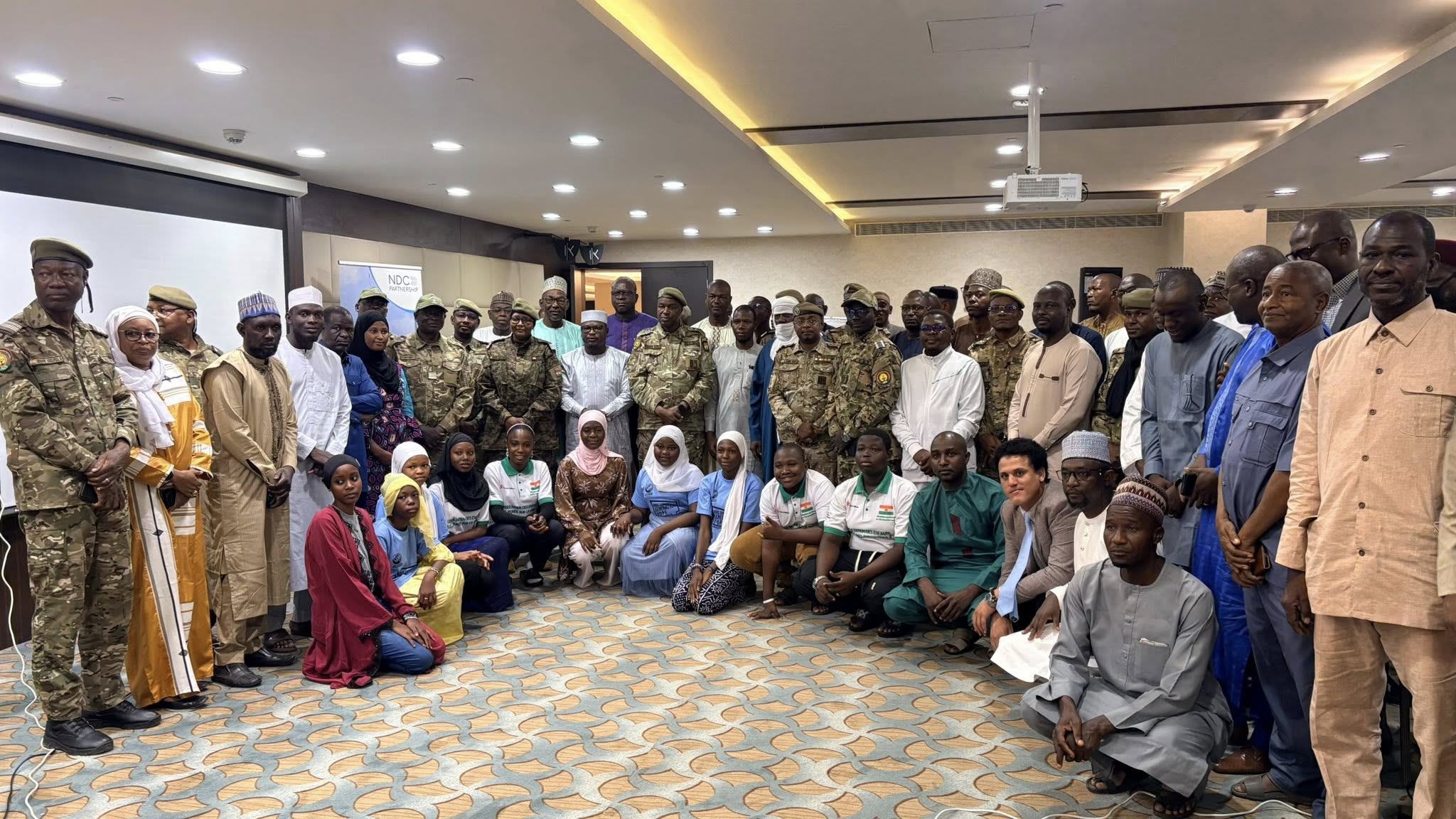
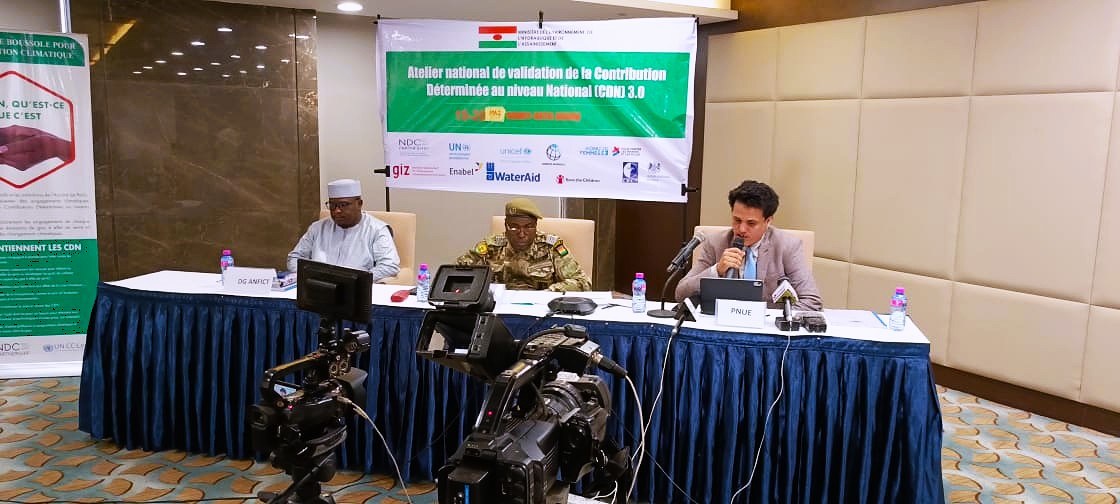
The Government of Niger has validated its updated Nationally Determined Contribution (NDC 3.0) during a national workshop in Niamey on May 19th, marking an important milestone in the country’s preparation of its next generation climate commitments under the Paris Agreement.
The revision of the national commitments was a collaborative process that brought together a wide range of national and international partners. Throughout this exercise, UNEP and the UNEP Copenhagen Climate Centre provided technical and strategic support, helping to coordinate inputs, strengthen analytical foundations, and facilitate constructive engagement among stakeholders.
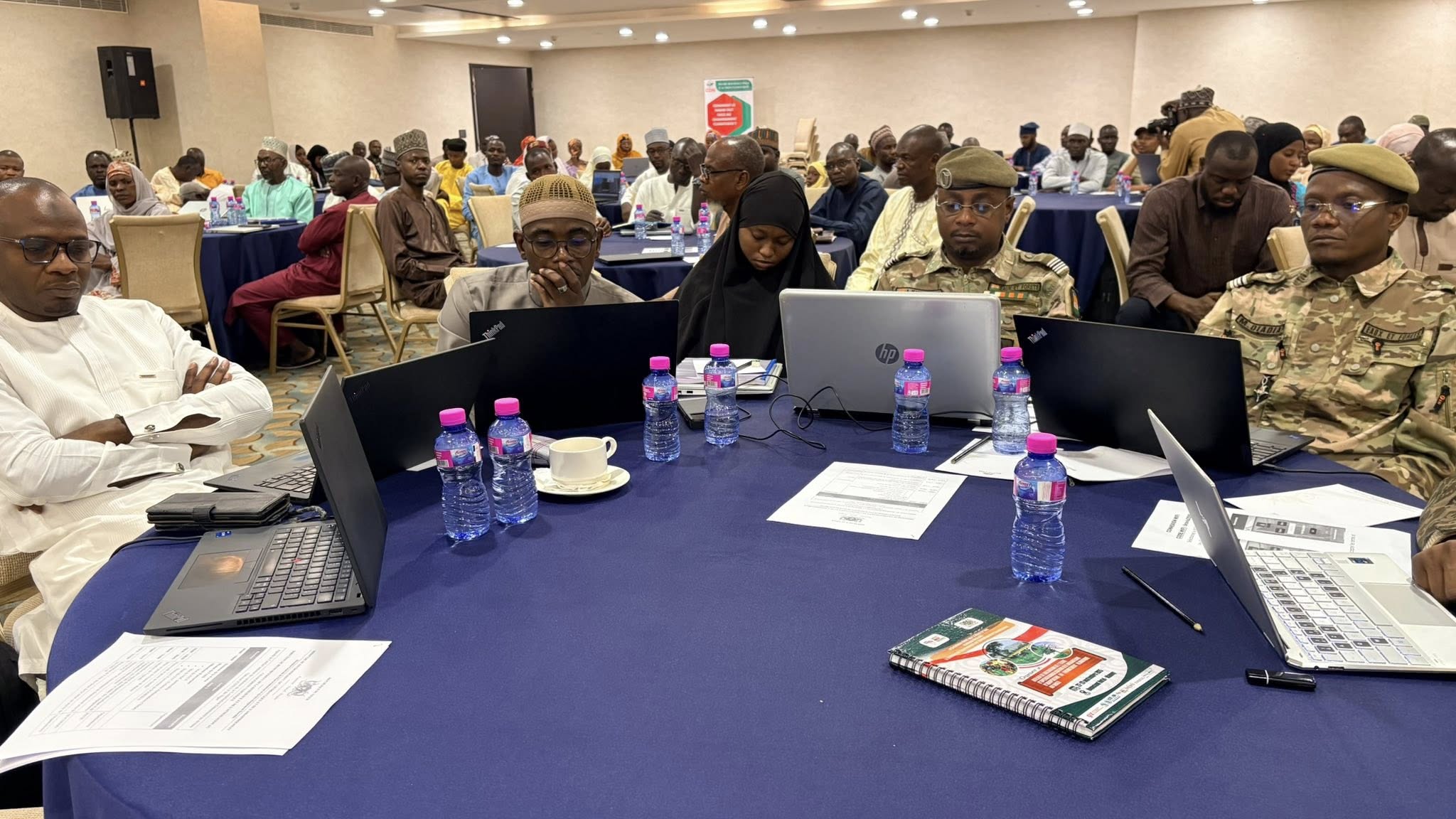
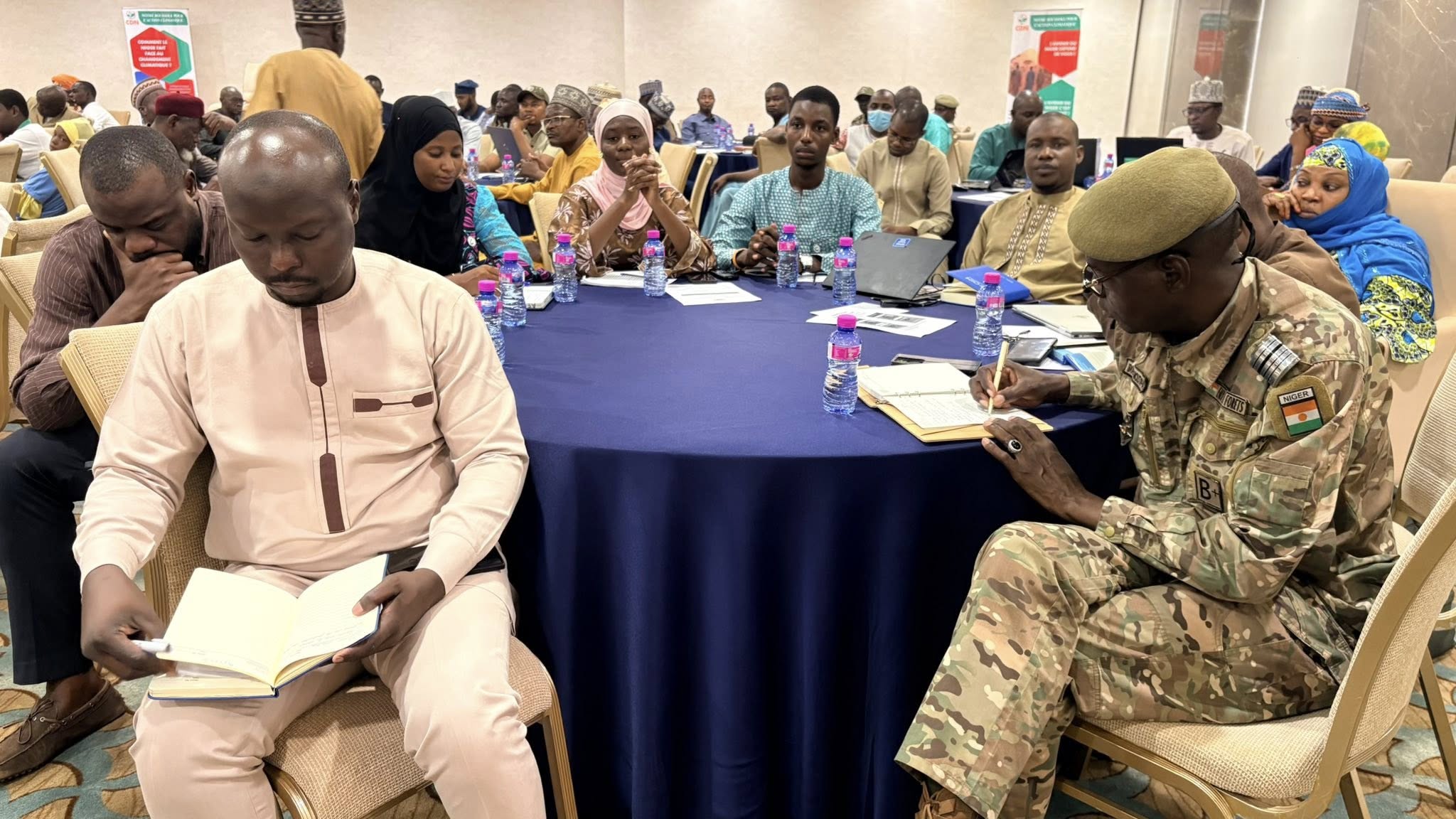
The process aimed to build consensus around Niger’s updated climate vision and ensure that the new NDC reflects national priorities and realities. The validation workshop brought together representatives from government institutions, regional authorities, civil society, academia, the private sector, development partners, and youth representatives, including the Enfants Ambassadeurs du Climat (Climate Child Ambassadors).
NDCs are not abstract policies, they are shaping lives
The discussions during the workshop highlighted both the urgency and the human reality of climate change in the Sahel: recurrent droughts, devastating floods, pressure on water resources, and growing impacts on agriculture and livelihoods.
The Climate Child Ambassadors shared their message with a soft rap that cut through the technical language of policy and reminded participants that at the heart of the NDC 3.0 process are the lived experiences and voices of young people who will inherit its outcomes. Their message was simple: adaptation is not an abstract policy concept, it’s being ready for the shocks already unfolding, safeguarding schools so that learning can continue even in times of disruption, and of protecting health systems so that disease and environmental stress do not put lives at further risk.
A year of shaping climate commitments
Three guiding principles shaped the development of Niger’s NDC 3.0:
- nationally owned and closely aligned with the country’s development priorities
- stronger adaptation and resilience for vulnerable communities particularly rural households, farmers, women, youth, nomadic groups, displaced persons, and other marginalized communities most exposed to climate impacts
- and improved access to climate finance at the scale needed to address these existential climate risks and their broader economic impacts
The updated NDC 3.0 also integrates several cross-cutting priorities identified during the consultation process, including climate, peace and security; climate-induced migration and displacement; and the disproportionate impacts of climate change on health, women, and vulnerable groups.
The validation workshop marks the culmination of a year of sectoral and technical consultations at national and sub-national levels that have helped shape Niger’s updated climate commitments ahead of final submission under the Paris Agreement.
The development of Niger’s updated NDC 3.0 has been supported by UNEP and the UNEP Copenhagen Climate Centre through the NDC Partnership, alongside Deutsche Gesellschaft für Internationale Zusammenarbeit, which supported the stocktake of Niger’s previous NDC.
Share this
Tags: NDC, Niger
Photos from the validation workshop in Niamey, Niger:
Banner photo: Photo by Michel Isamuna on Unsplash