A clean cooking project in Zambia has been authorized by Switzerland and Zambia under Article 6 of the Paris Agreement, enabling verified emissions reductions to be transferred internationally as Internationally Transferred Mitigation Outcomes (ITMOs) and to generate carbon finance revenue for the project.
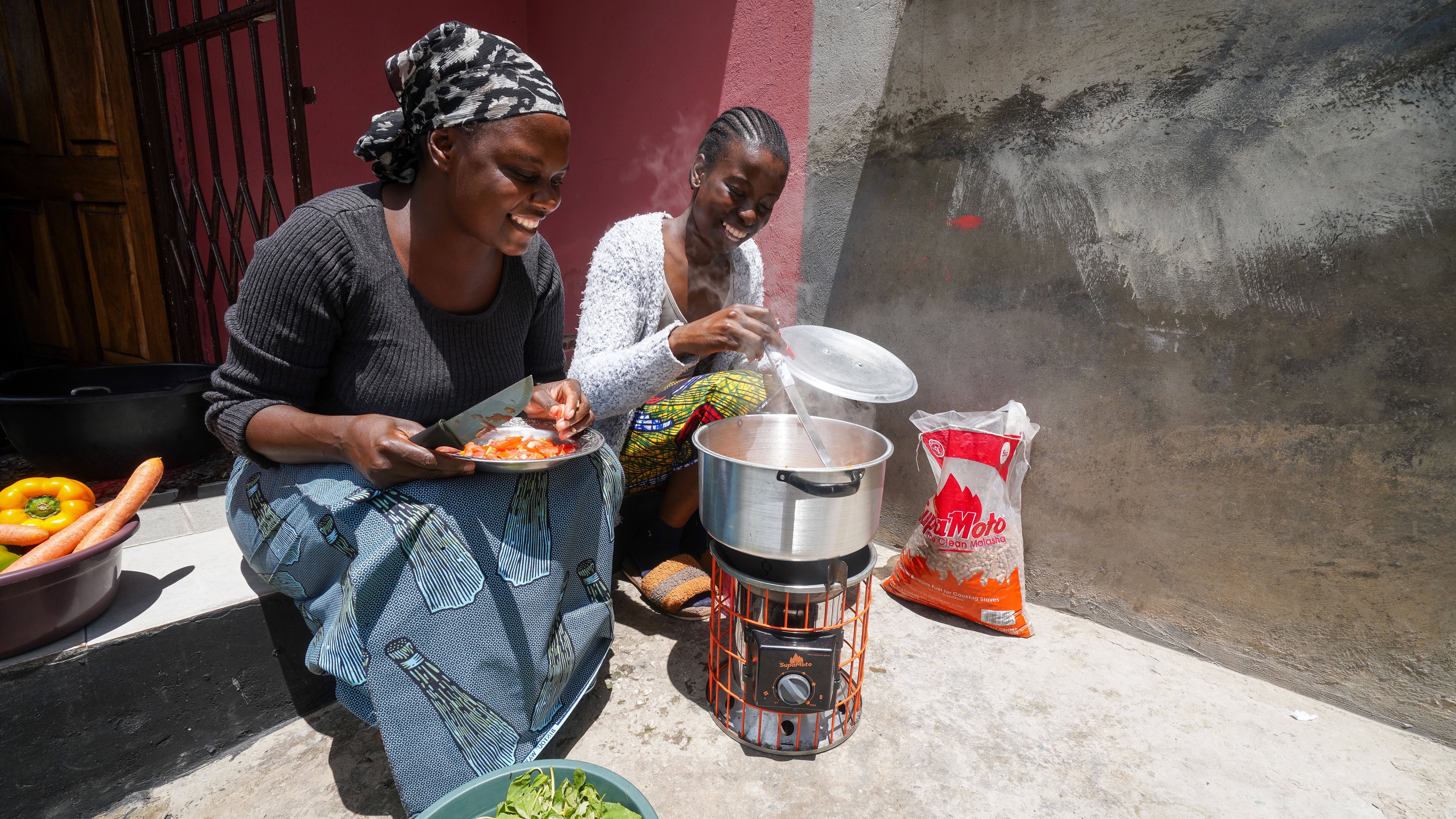
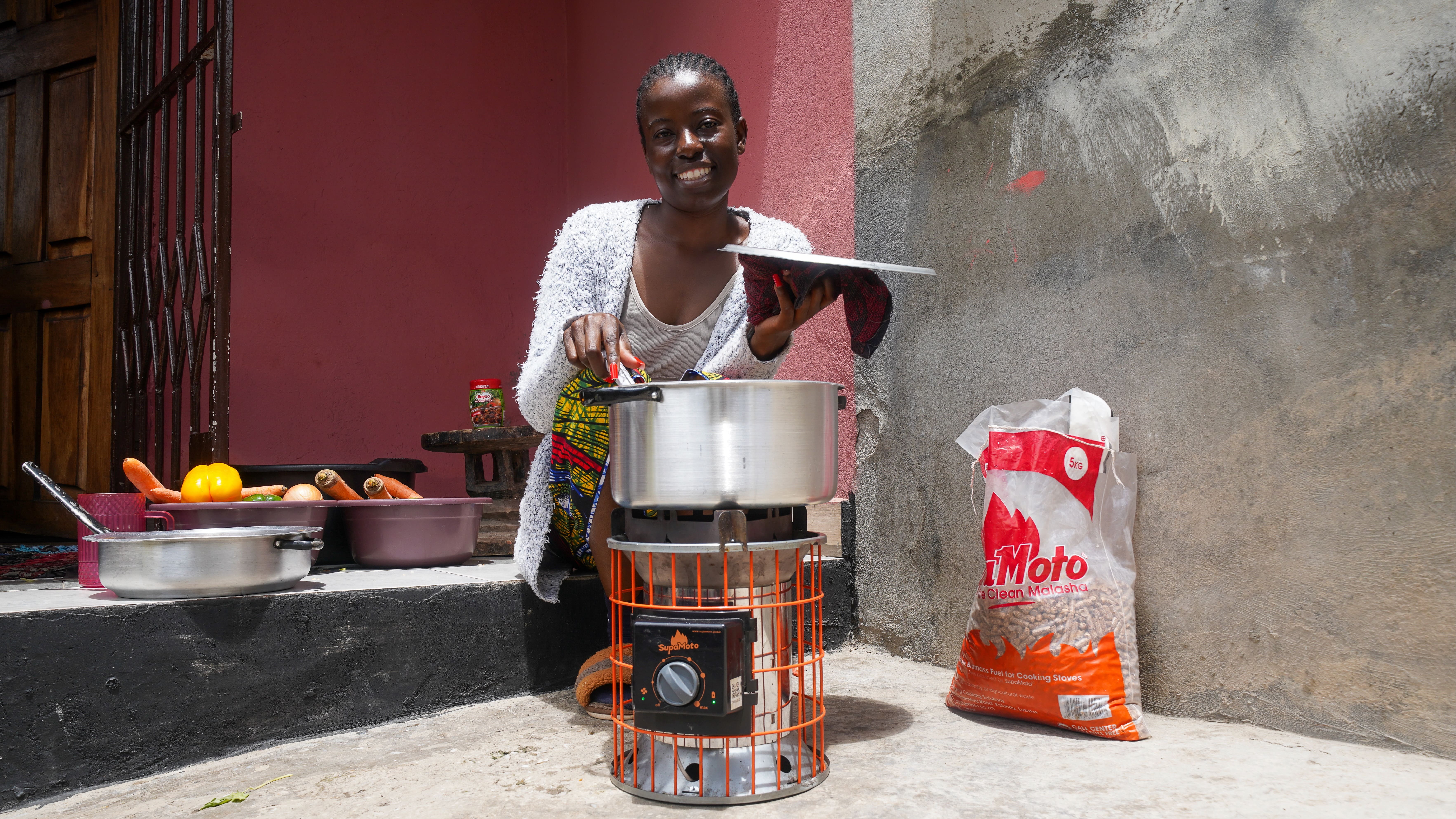
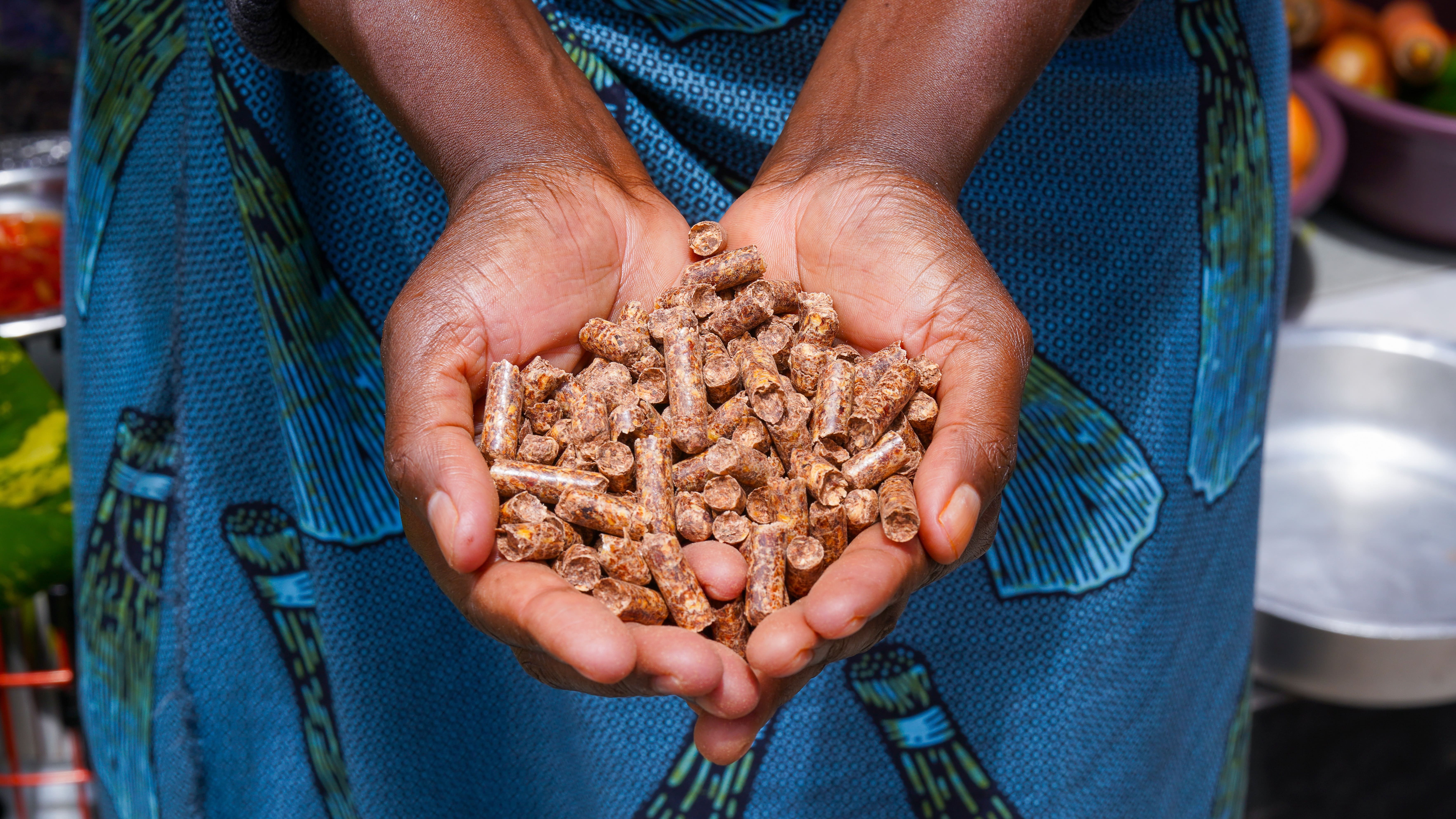
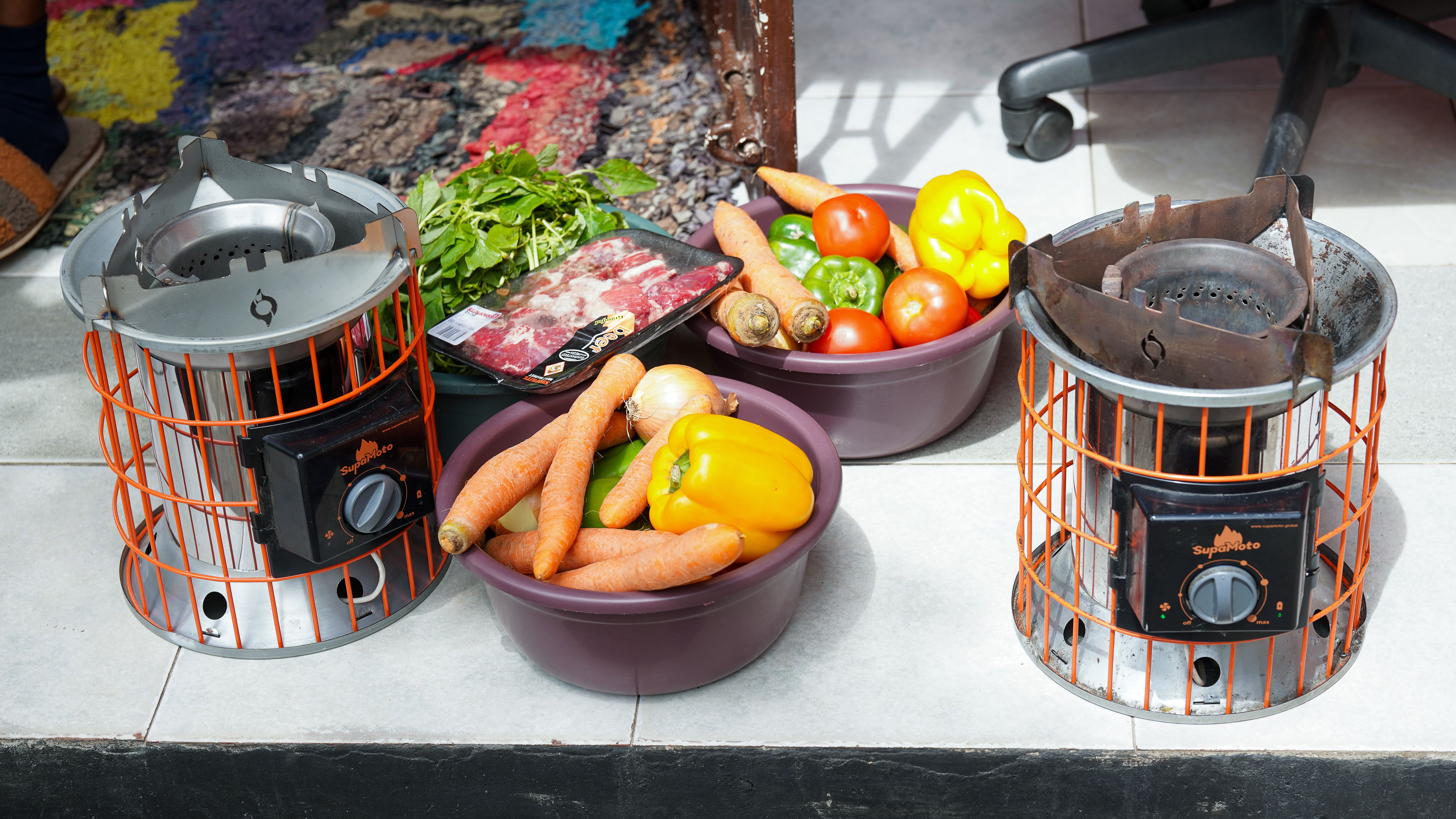
The Modern Energy Cooking Zambia project utilizes biomass pellets produced from sustainable wood residues sourced from local sawmills to replace traditional charcoal as cooking fuel. The pellets are gasified with the help of a solar PV panel to power a fan, delivering far greater performance on fuel efficiency and emissions.
The resulting ITMOs will be purchased by the KliK Foundation through the Article 6.2 carbon market,Modern Energy Cooking Zambia project.
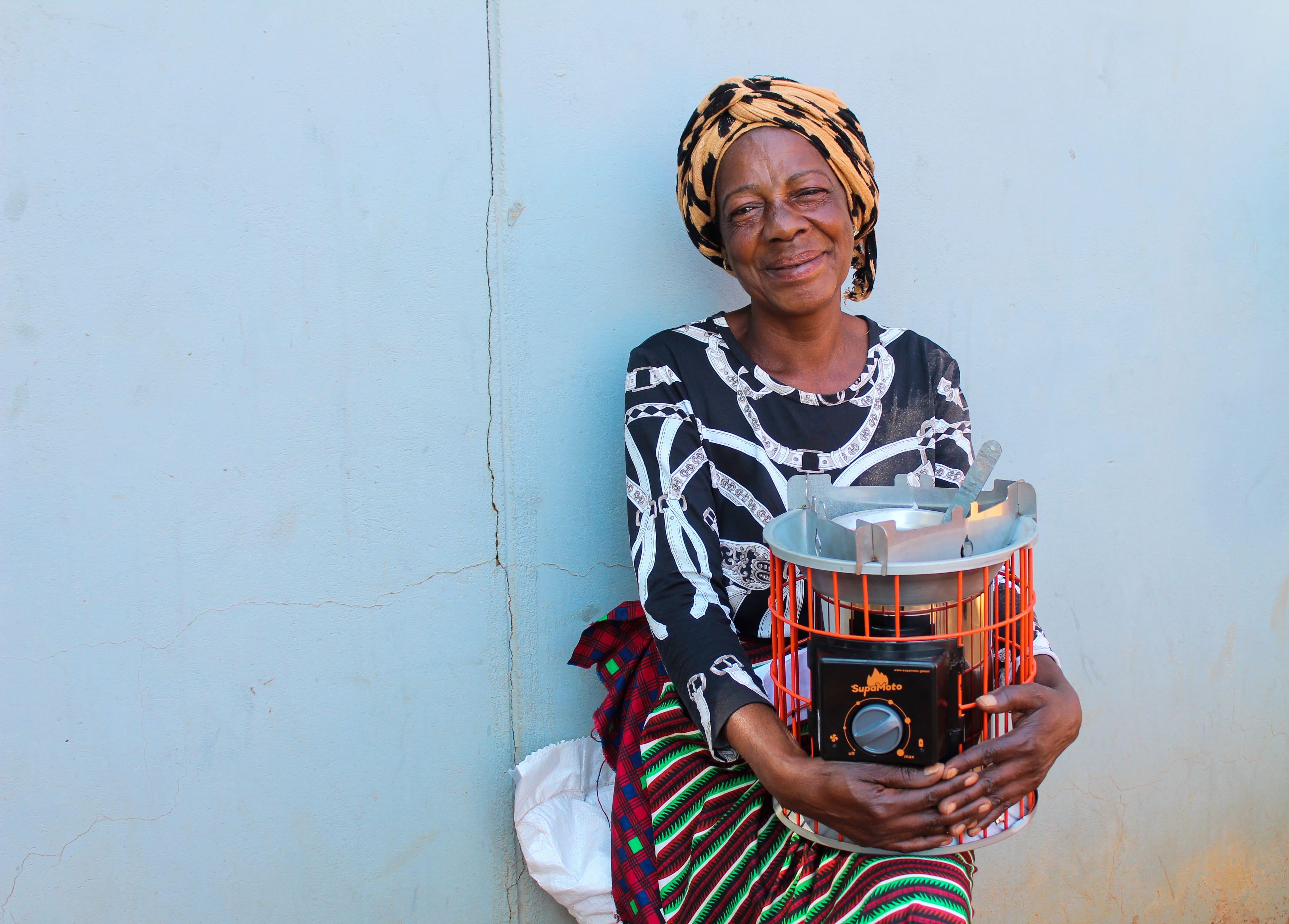
In this model, carbon financing is used to pay back the cost of subsidized stove sales, thus removing the primary barrier to adoption – the high capital cost of advanced cookstoves. Specifically, costumers buy the stoves through an Energy Subscription Service model where they pay a small enrolment fee and purchase pellets, while the investment costs are recovered through carbon market revenues. The project also uses a state-of-the-art digital MRV (dMRV) system, tracking pellet sales and verifying stove usage, allowing for transparency and integrity of ITMOs.
The project was developed through a close partnership among Emerging Cooking Solutions, the Supporting Preparedness for Article 6 Cooperation (SPAR6C) programme, the KliK Foundation, and both the Zambian and Swiss governments.
This new mitigation activity under Article 6.2, while also contributing to several Sustainable Development Goals in Zambia, particularly at the intersection of women’s health, economic development and sustainable cities.
Cutting fuel costs, reducing emissions and improving health
With expectations to deploy approximately 200,000 advanced Tier-4 micro-gasification stoves over the crediting period, which runs until 2030, Modern Energy Cooking Zambia delivers benefits that go well beyond carbon reduction.
Like many other African countries, Zambia faces ongoing deforestation in part because cooking often uses inefficient charcoal stoves. More than 80% of the population rely on fuels like charcoal and firewood for their daily cooking needs.
This also pose severe health risks from household air pollution putting women at a disproportionate risk of smoke inhalation and subsequent health problems.
By using plantation-sourced sawmill residues instead of hardwood charcoal – cutting fuel costs by around 50% – the Modern Energy Cooking Zambia project helps not only protect Zambia’s native forests, preserving biodiversity and vital ecosystem services, but improves daily life by eliminating harmful indoor smoke and carbon monoxide.
Carbon markets for NDC implementation
The Government of Zambia has identified carbon finance in its current Nationally Determined Contributions (NDCs) as an opportunity to catalyze investment in mitigation activities that also facilitates developmental co-benefits for the country.
The carbon finance to be received from the KliK Foundation for the Modern Energy Cooking Zambia is an example of how carbon markets can become a catalyst for this transition.
Carbon financing of the clean cooking transition, including under Article 6, was discussed in the UN’s inter-agency report “Advancing clean cooking for climate action: Pathways to higher-tier solutions and scaled investment”, published ahead of COP30.
Zambia has made tremendous strides in its preparedness for Article 6 Cooperation. The SPAR6C programme, led globally by the Global Green Growth Institute and implemented in Zambia by GFA Consulting Group and UNEP Copenhagen Climate Centre, has supported the establishment of Zambia’s Carbon Market Governance, including the development of Zambia’s Green Economy and Climate Change Regulations, Carbon Market Framework, along with its National Carbon Registry and Bilateral Framework engagements.
One of three SPAR6C pilots
The Modern Energy Cooking activity is one of 3 pilot mitigation activities selected by the Government of Zambia to receive support from SPAR6C. In particular, the programme has supported the development of a Mitigation Activity Idea Note (MAIN), followed by a more detailed Mitigation Activity Design Document (MADD), including the financing for the validation process as part of demonstrating Article 6 mitigation activity development.
The UNEP Copenhagen Climate Centre has provided support to GFA Consulting Group as well as national and international consultants for this work, while in parallel focusing on the establishment a “Modern Cooking Association of Zambia” and convening cooking sector stakeholders to develop a better understanding of environmental integrity and high-quality standard of ITMOs.
This also included defining a minimum set of principles and digital MRV standards for Article 6 financing of cookstove projects, and highlighting the importance of sustainable development co-benefits, critical for both local economic development and job creation, but also for increasing ITMO buyer interest.
Share this
Tags: Article 6, carbon markets, SPAR6C
Photocredit: Supamoto
About SPAR6C:
The Supporting Preparedness for Article 6 Cooperation (SPAR6C) programme is a five-year initiative funded by the German Federal Government, formerly by the Federal Ministry for Economic Affairs and Climate Action (BMWK), through the International Climate Initiative (IKI).
The programme supports stakeholders in Colombia, Pakistan, Thailand, and Zambia to become prepared to engage in carbon transactions under Article 6 of the Paris Agreement.
Implementation is led by the Global Green Growth Institute, with support providers from Carbon Limits, UNEP Copenhagen Climate Centre, Kommunalkredit Public Consulting and GFA Consulting.