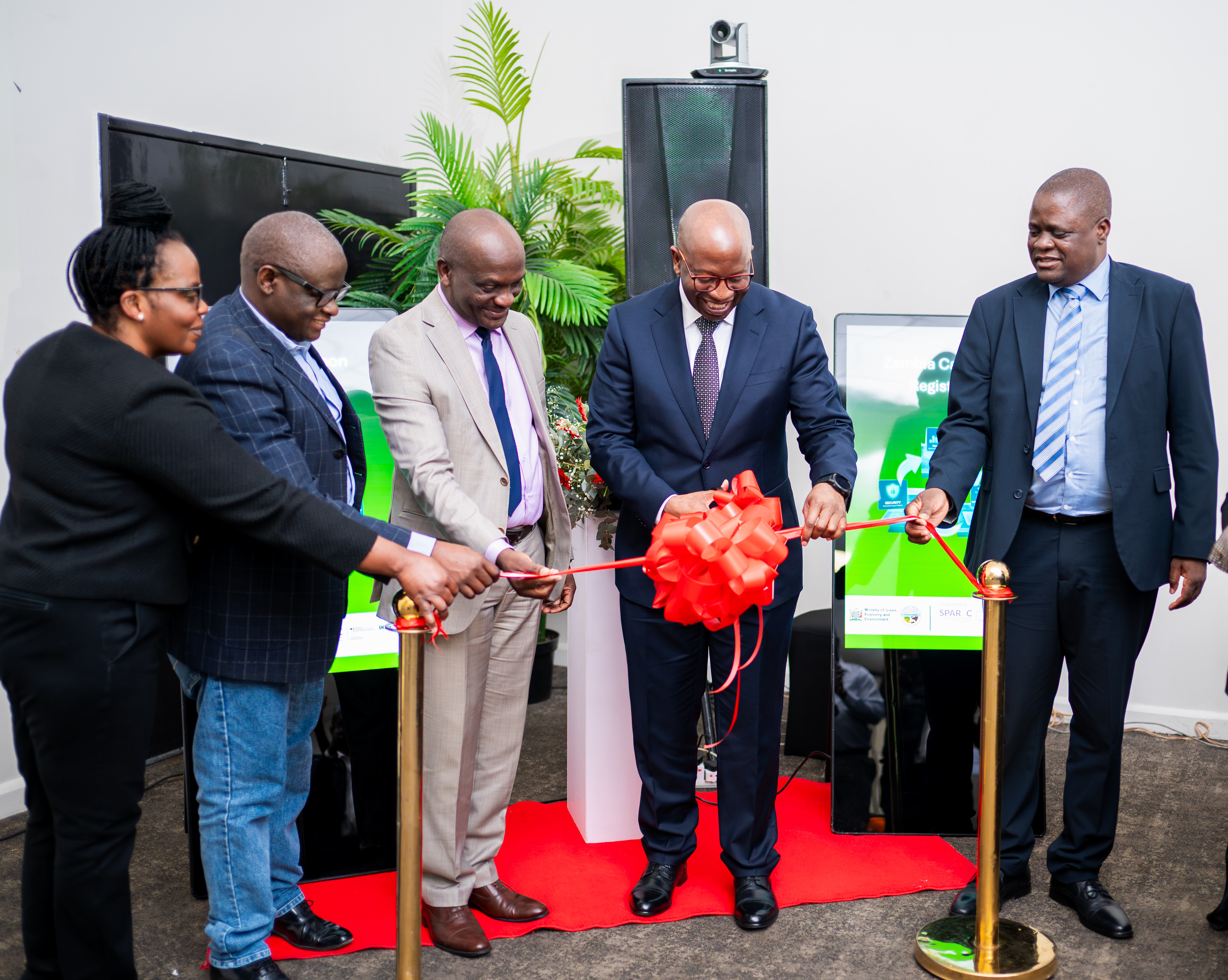
Today, the Government of the Republic of Zambia launched the Zambia Carbon Registry, a milestone achievement that marks the country’s full readiness to enter international carbon markets and reinforces its domestic carbon market infrastructure.
The establishment of a fully operational national carbon registry represents a major step towards enhancing environmental integrity and transparency in Zambia’s climate action. The registry, embedded within the country’s Monitoring, Reporting, and Verification (MRV) system, helps to ensure the accuracy of carbon accounting, and preventing double counting or the overselling of Mitigation Outcomes (MOs). With this development, Zambia reinforces itself as a leader in implementing credible and accountable carbon market mechanisms in the region.
The Zambia Carbon Registry was developed with the support of the Supporting Preparedness for Article 6 Cooperation (SPAR6C) programme, and can be accessed online here.
Custom built to national legislation and international standards
Designed to meet Zambia’s unique carbon market requirements, the registry is a custom-built system that aligns with international standards for carbon accounting in accordance with Article 6 of the Paris Agreement, while remaining consistent with the Green Economy and Climate Change Act, and the Carbon Market Regulations and Framework. As the registry will be linked to the national iMRV system, seamless support will be provided for GHG inventory accounting with emission reductions generated and counted towards NDCs or sold as ITMOs.
The Zambia Carbon Registry supports the lifecycle of activities under Article 6 of the Paris Agreement and will incorporate projects under the Voluntary Carbon Market as part of a future update. Its primary users include project developers, Designated Operational Entities (DOEs), the Government of Zambia, and the public, who will benefit from enhanced access to transparent and verifiable information.
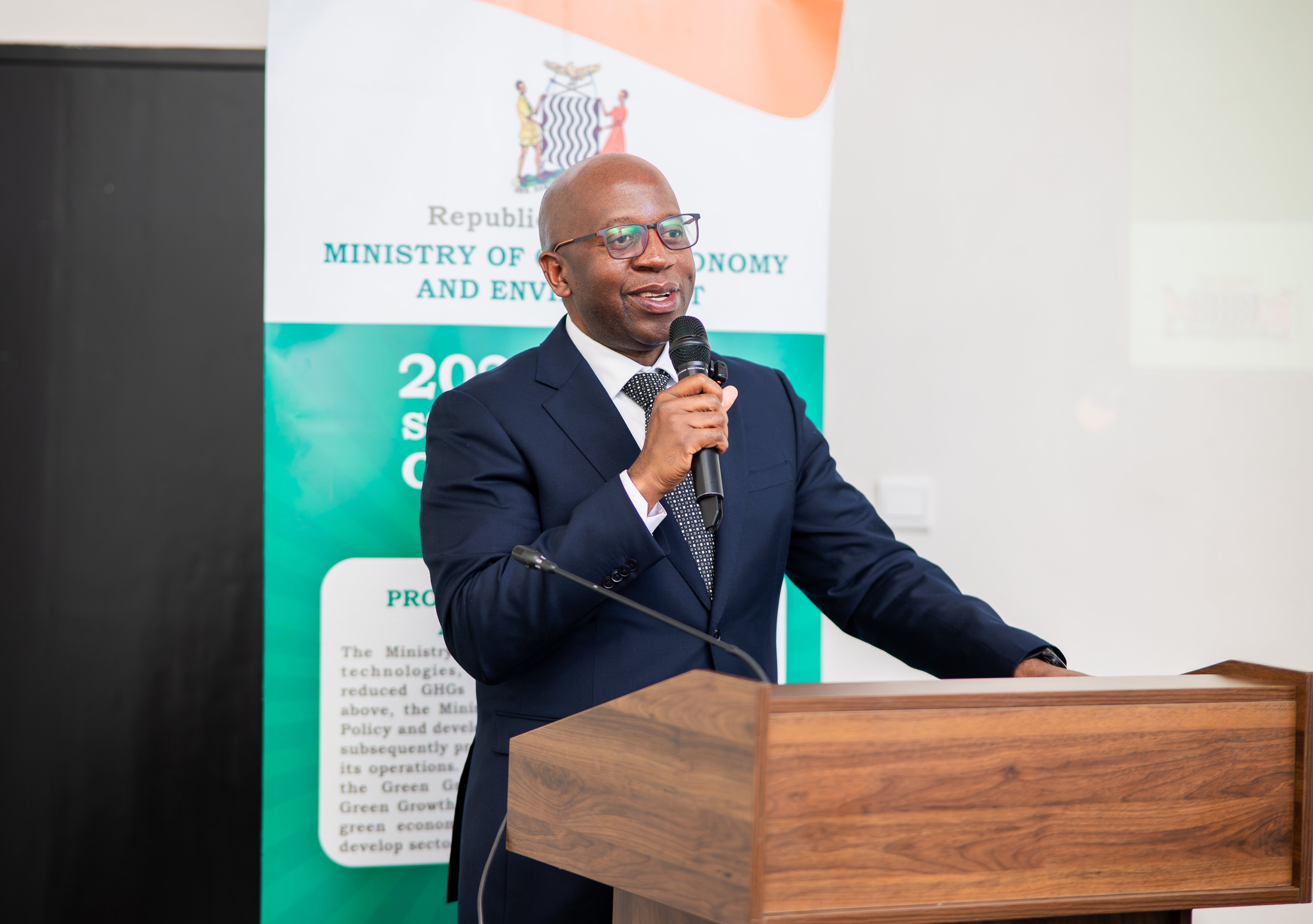
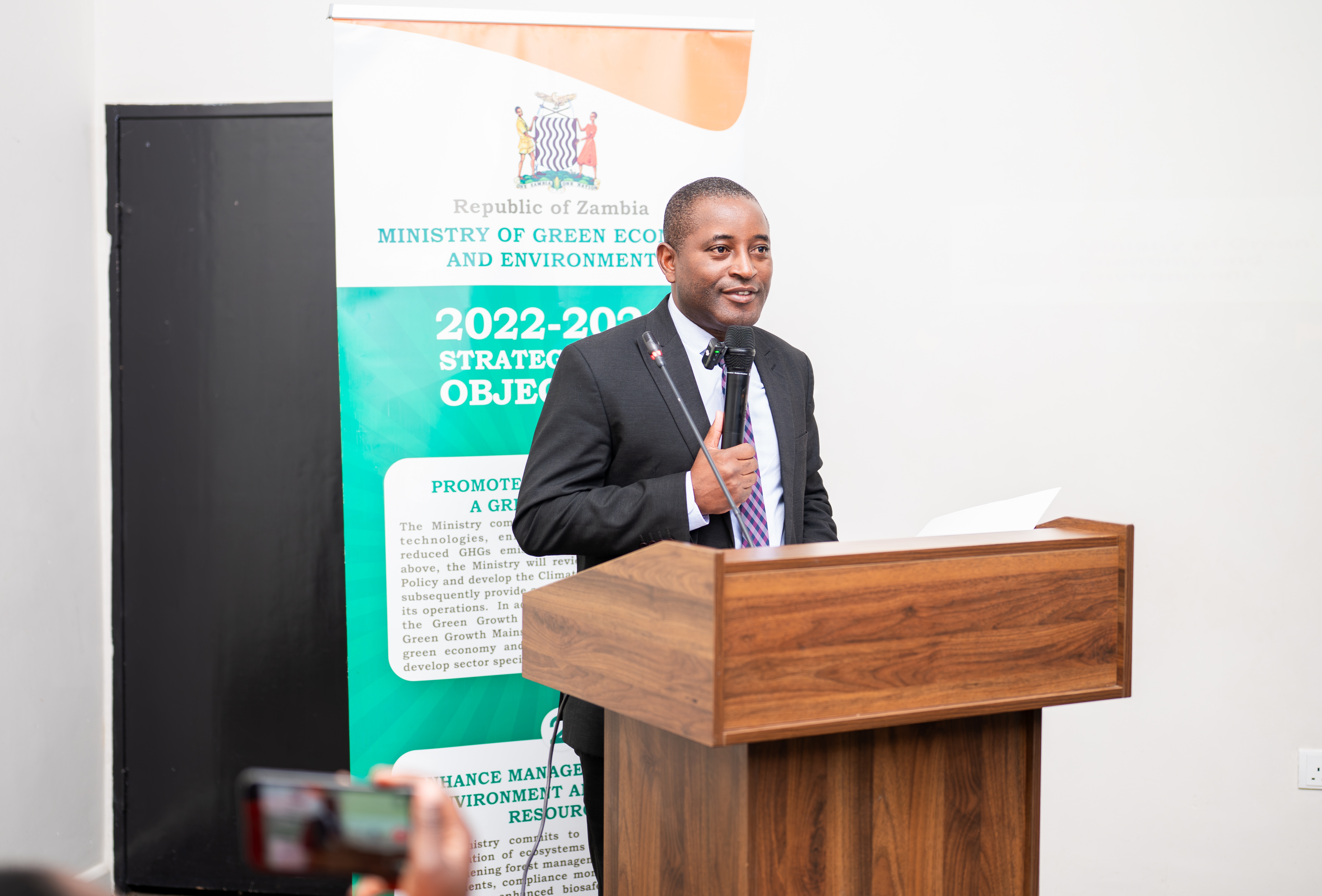
“Zambia’s Carbon Registry is fully online, demonstrating our integrity and strong commitment to accountability and transparency. We will ensure that all activities conform to the provisions of Zambia’s Green Economy and Climate Change Act and the Paris Agreement, and that actions related to our carbon credits are visible and can be reviewed by members of the public,” Dr. Douty Chibamba, Permanent Secretary of the Zambian Ministry of Green Economy and Environment said at the official launch of the Carbon Registry.
Making Zambia fully ready to participate in carbon markets
The launch of this registry underscores Zambia’s continued commitment to sustainable development and to achieving its Nationally Determined Contributions (NDCs) under the Paris Agreement. By creating a trusted digital platform for carbon accounting and transactions, Zambia not only builds confidence among investors and stakeholders but also strengthens the foundations for a robust, transparent, and high-integrity carbon market.
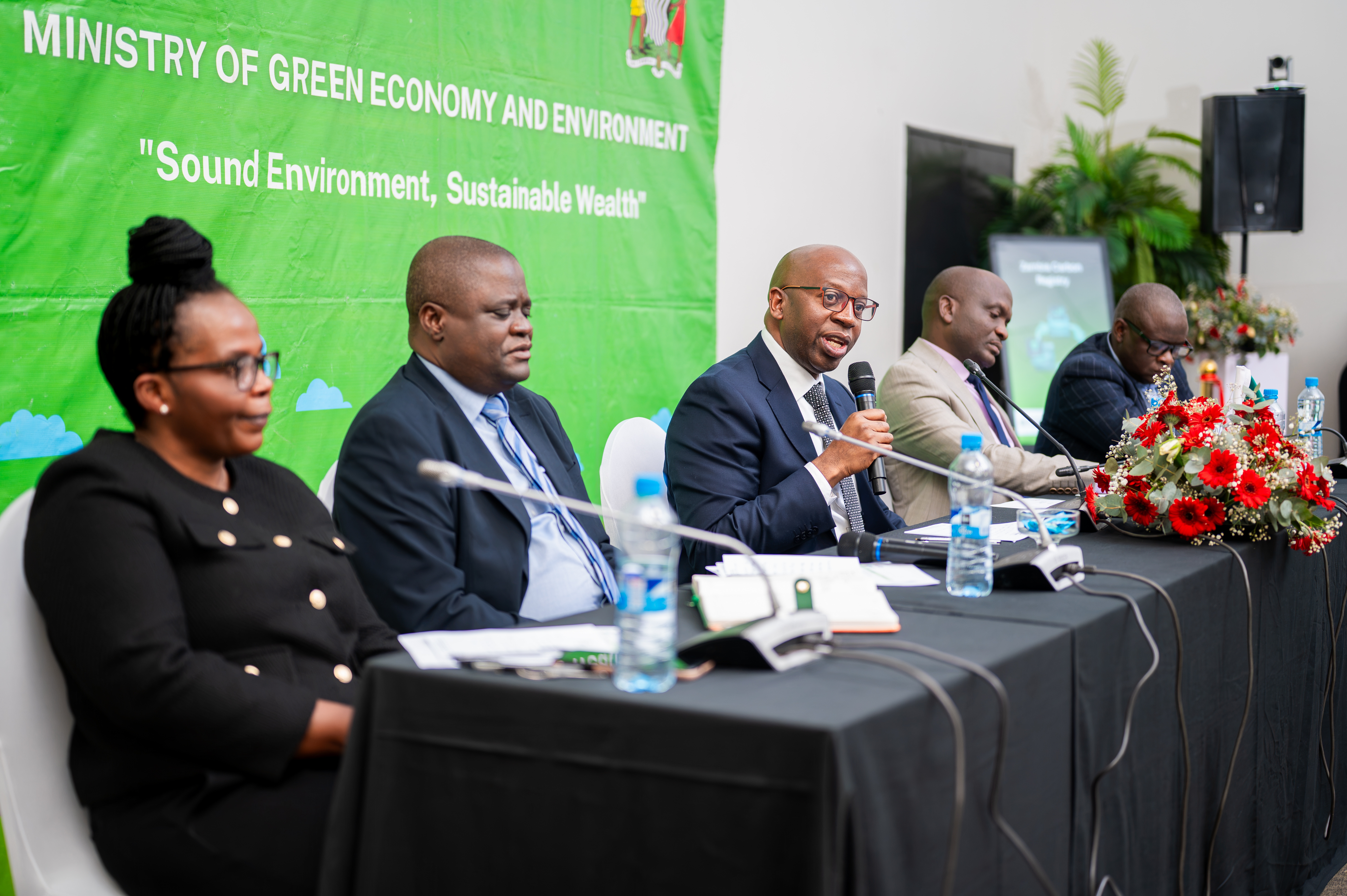
During the event, UNEP Copenhagen Climate Centre director, Anne Olhoff warmly congratulated Zambia on launch of the carbon registry and the country’s efforts in ensuring transparency and integrity in using article 6 of the Paris Agreement, highlighting that Zambia is among the first countries to develop a fully customized, fully digital, carbon registry interoperable with Article 6 of the Paris Agreement.
“The development of the carbon registry is a reflection of the maturity of the market in Zambia – Making Zambia fully ready to participate in international carbon markets through its current and future bilateral agreements.
UNEP Copenhagen Climate Centre is extremely proud to have been part of this through the SPAR6C programme,“ she said.
She also pointed out that the development oft he registry is an excellent example of south-south collaboration as experience gained in developing Ghana’s National Registry provided an invaluable foundation, enabling partners to efficiently develop a registry tailored to Zambia’s national priorities, regulatory framework, and operational needs.
Opening up for transparent carbon finance
The registry offers comprehensive functionalities, including:
- Registration and management of mitigation activities (submission, revision and validation of MAIN, MADD, Letter of Approval, etc.).
- Facilitating monitoring and verification of registered activities.
- Issuance of Mitigation Outcomes (MOs) with unique serial numbers.
- Tracking of the transfer, retirement, and cancellation of Mitigation Outcomes.
- Hosting reporting requirements from Article 6 activities, including the use of Internationally Transferred Mitigation Outcomes (ITMOs).
- Reporting and analytics tools, for enhanced transparency and data-driven decision-making.
“Today, Zambia transitions from a country of immense ecological potential to a nation with world-class climate governance. The Zambia Carbon Registry provides international investors and project developers with the legal and digital certainty they require for carbon trading. By eliminating the risk of double-counting and streamlining the administrative pipeline, Zambia is opening up for transparent, scalable, and high-impact carbon finance investment,” said Joachim Schnurr, SPAR6C Zambia Team Lead from GFA Consulting Group.
This initiative has been developed under the SPAR6C Programme, internationally implemented by the Global Green Growth Institute and implemented in Zambia by UNEP Copenhagen Climate Centre and GFA Consulting Group. SPAR6C is funded by the German Federal Ministry for the Environment, Nature Conservation and Nuclear Safety (BMUKN) through the International Climate Initiative (IKI).
The registry’s development process was led by the UNEP Copenhagen Climate Centre, GFA Consulting Group, and CEEEZ Ltd., in close collaboration with the Zambia Environmental Management Agency (ZEMA) and the Ministry of Green Economy and Environment (MGEE).
Share this
Tags: carbon markets, SPAR6C, Zambia
The Supporting Preparedness for Article 6 Cooperation (SPAR6C) programme is a five-year initiative funded by the German Federal Government, formerly by the Federal Ministry for Economic Affairs and Climate Action (BMWK), through the International Climate Initiative (IKI).
The programme supports stakeholders in Colombia, Pakistan, Thailand, and Zambia to become prepared to engage in carbon transactions under Article 6 of the Paris Agreement.
Implementation is led by the Global Green Growth Institute, with support providers from Carbon Limits, UNEP Copenhagen Climate Centre, Kommunalkredit Public Consulting and GFA Consulting.