Expanding access to affordable and climate-resilient irrigation solutions is becoming increasingly urgent for smallholder farmers in many low-income countries. But scaling these solutions requires more than technology alone; it depends on coordinated investments, stronger institutions and financing models that work for rural communities.
These issues were at the centre of the Uganda National Forum for Scaling Investment in Solar-Powered Irrigation Systems (SPIS), convened in Kampala on 6 May 2026 by UNEP Copenhagen Climate Centre together with FAO, Mercy Corps, GGGI Africa, UNCDF and the Embassy of Denmark in Uganda.
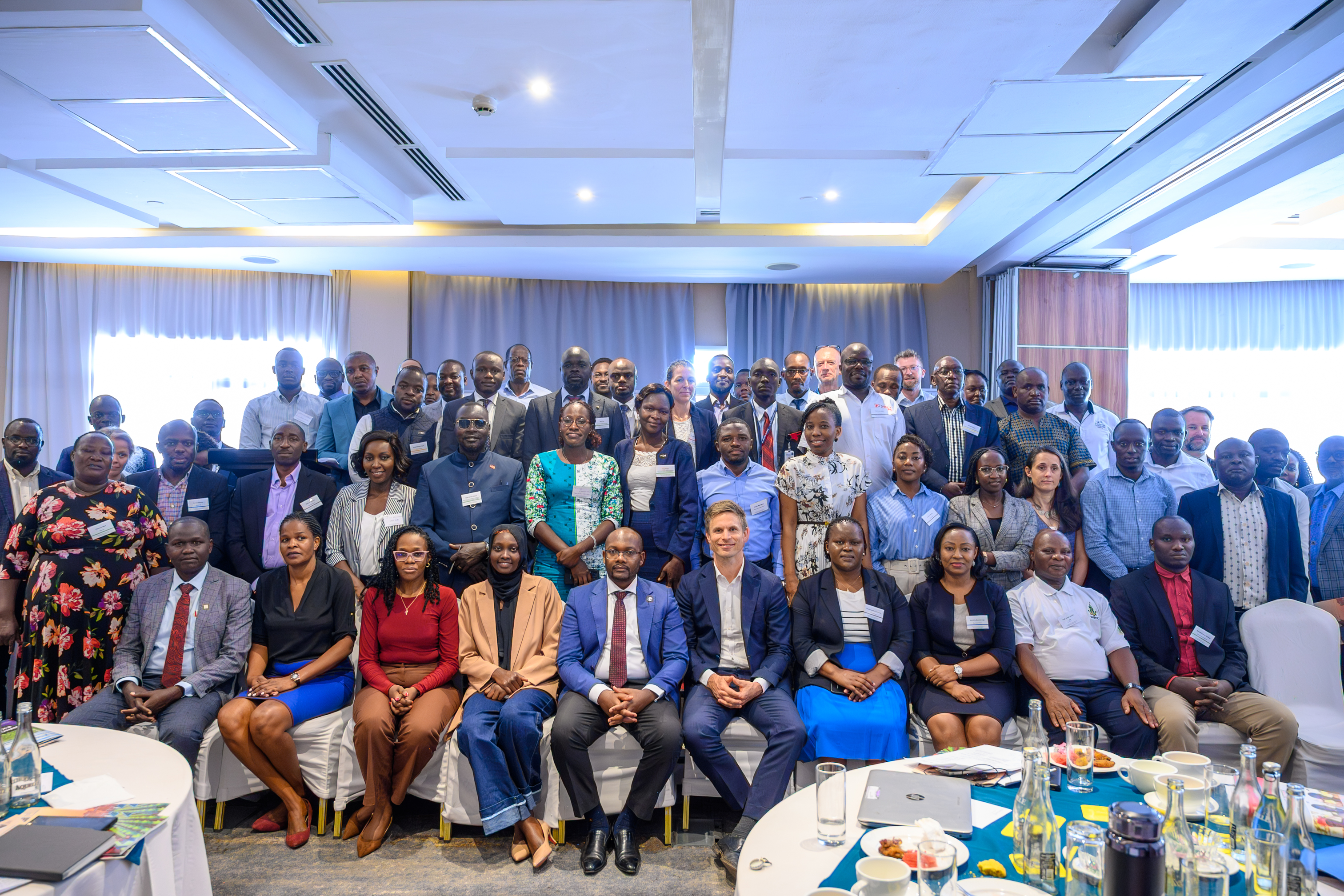
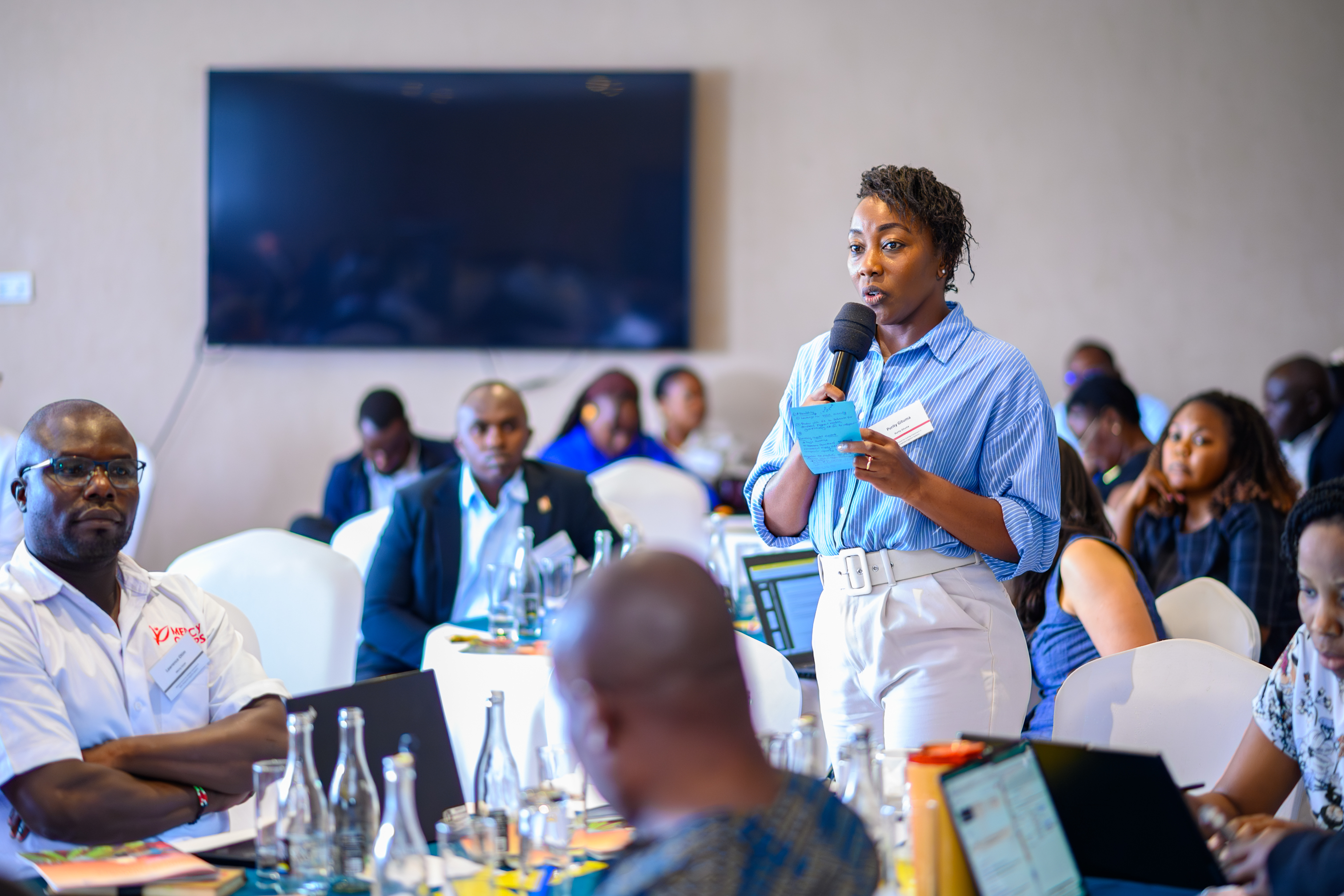
The forum brought together nearly 100 participants from across Uganda’s agricultural and climate finance ecosystem, including government institutions, financial service providers, farmer cooperatives, technology suppliers, agribusinesses, development partners and investors. Discussions focused on how to accelerate investment in solar-powered irrigation systems and support the transition towards climate-resilient agriculture.
The event was informed by findings from a recent assessment of Uganda’s SPIS market, developed under the Danida-funded Accelerating Climate Technology Transition (ACTT) initiative. The analysis explored barriers to scale-up, financing constraints and market opportunities for expanding solar-powered irrigation as part of Uganda’s climate adaptation and development priorities.
Download the new SPIS assessment, Pumping up Climate Technology in Uganda, here.
A climate smart technology
Uganda’s agricultural sector is highly vulnerable to prolonged droughts, changing rainfall patterns and increasing climate variability. Solar-powered irrigation systems are increasingly recognized as one of the most promising climate-smart technologies for strengthening resilience, improving productivity and reducing dependence on expensive diesel-powered irrigation.
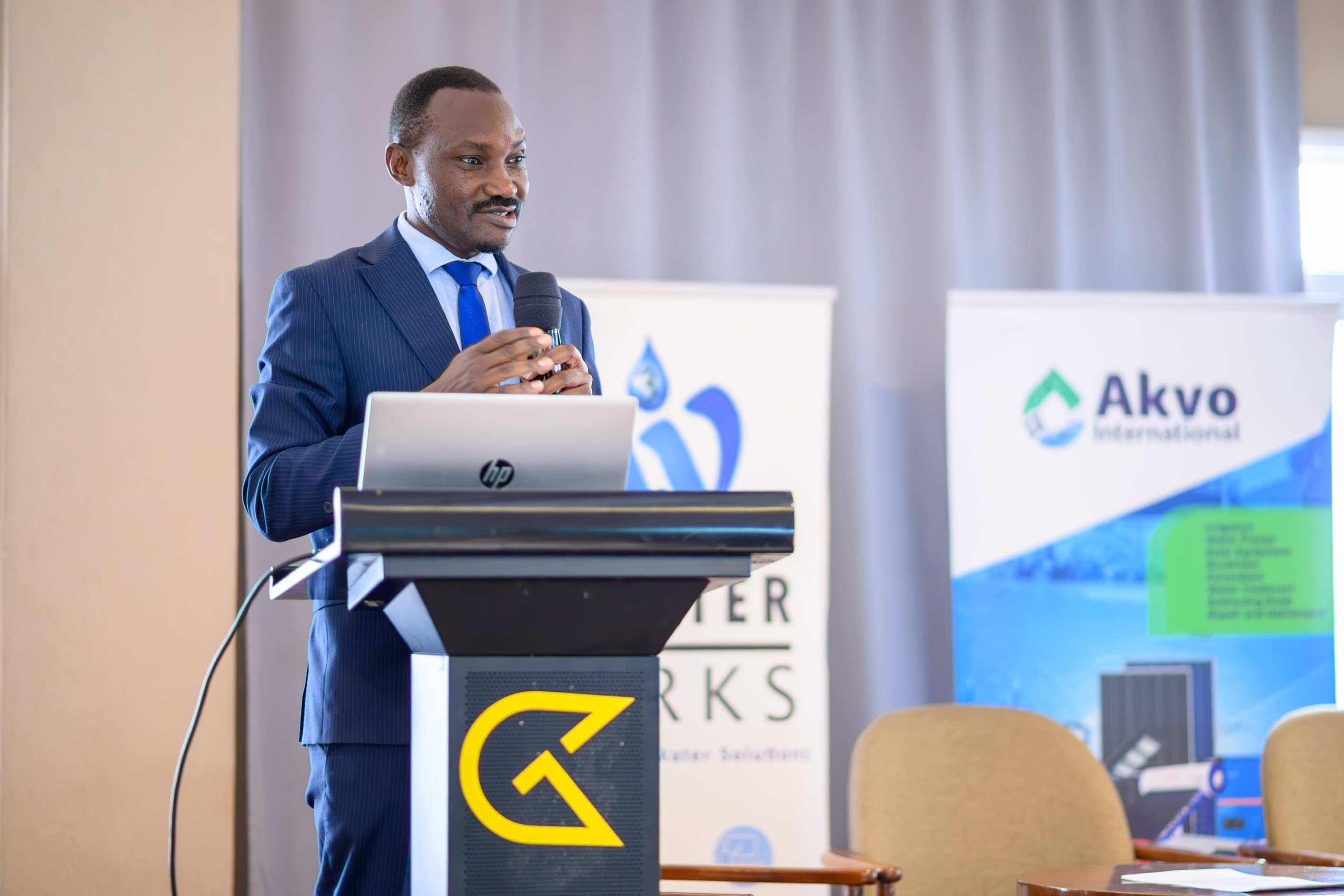
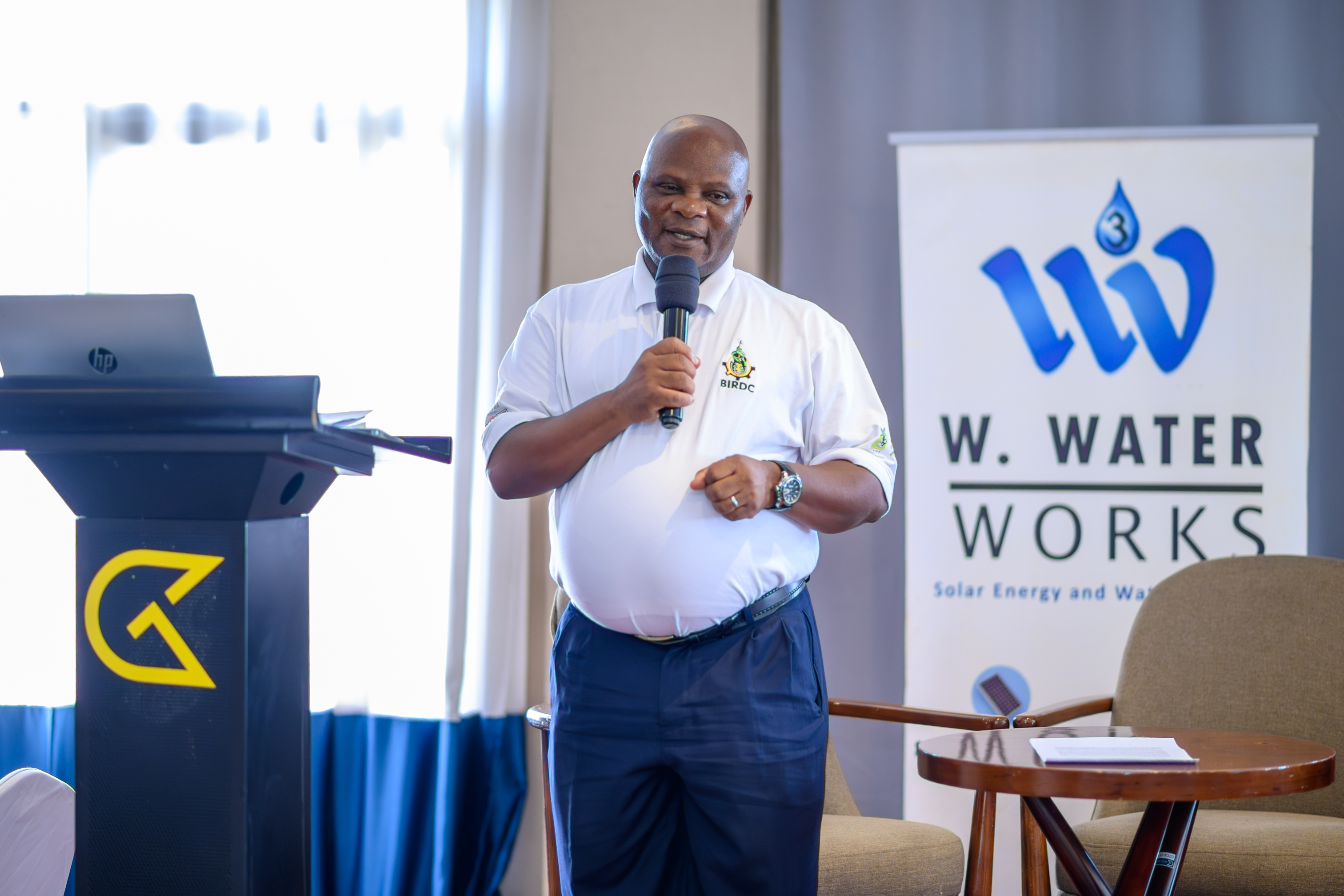
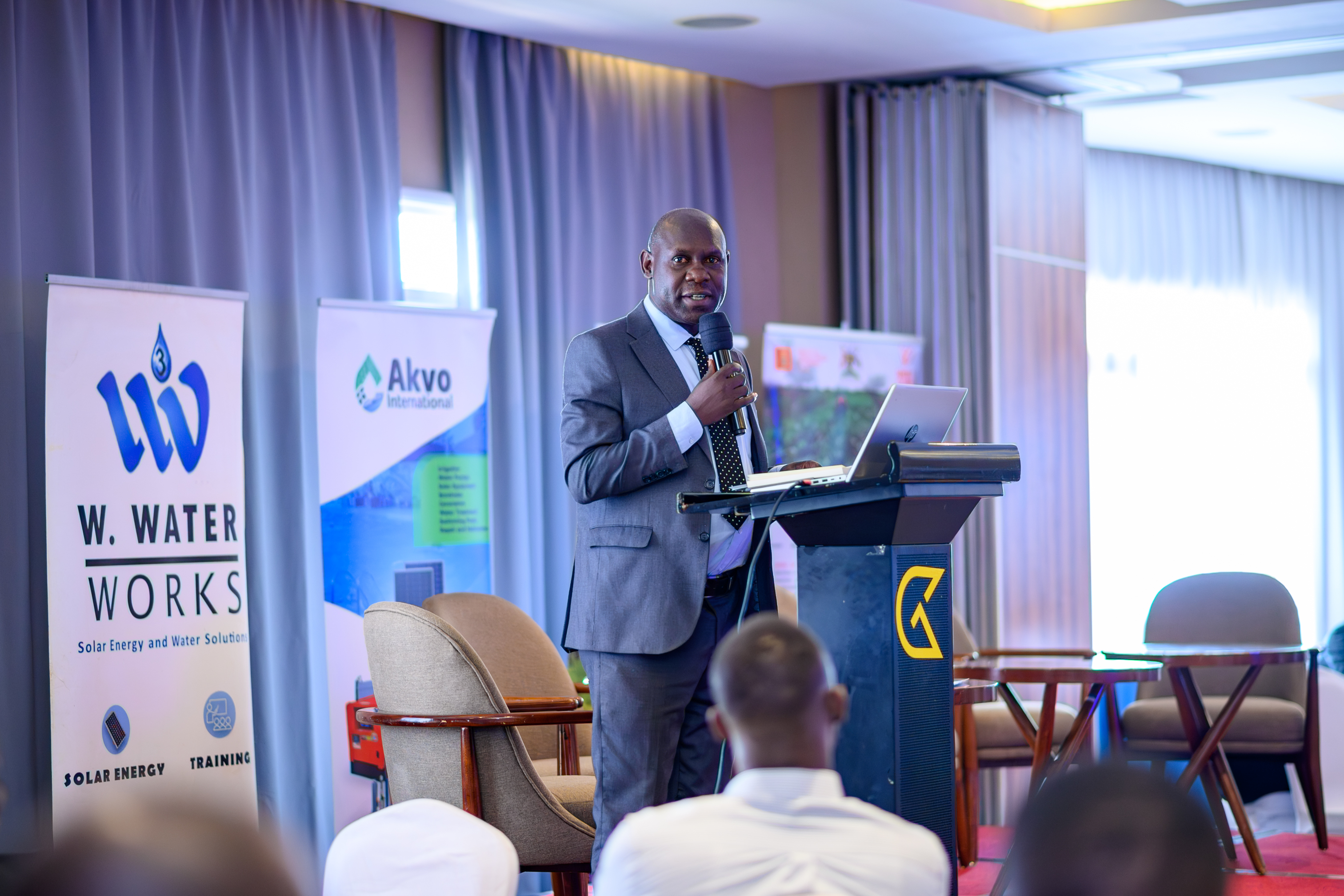
“Solar irrigation is not just about water management. It is about integrating renewable energy into agriculture to create efficient, productive and resilient rural communities”, Bob Natifu, Climate Change Commissioner for Uganda, said during the event.
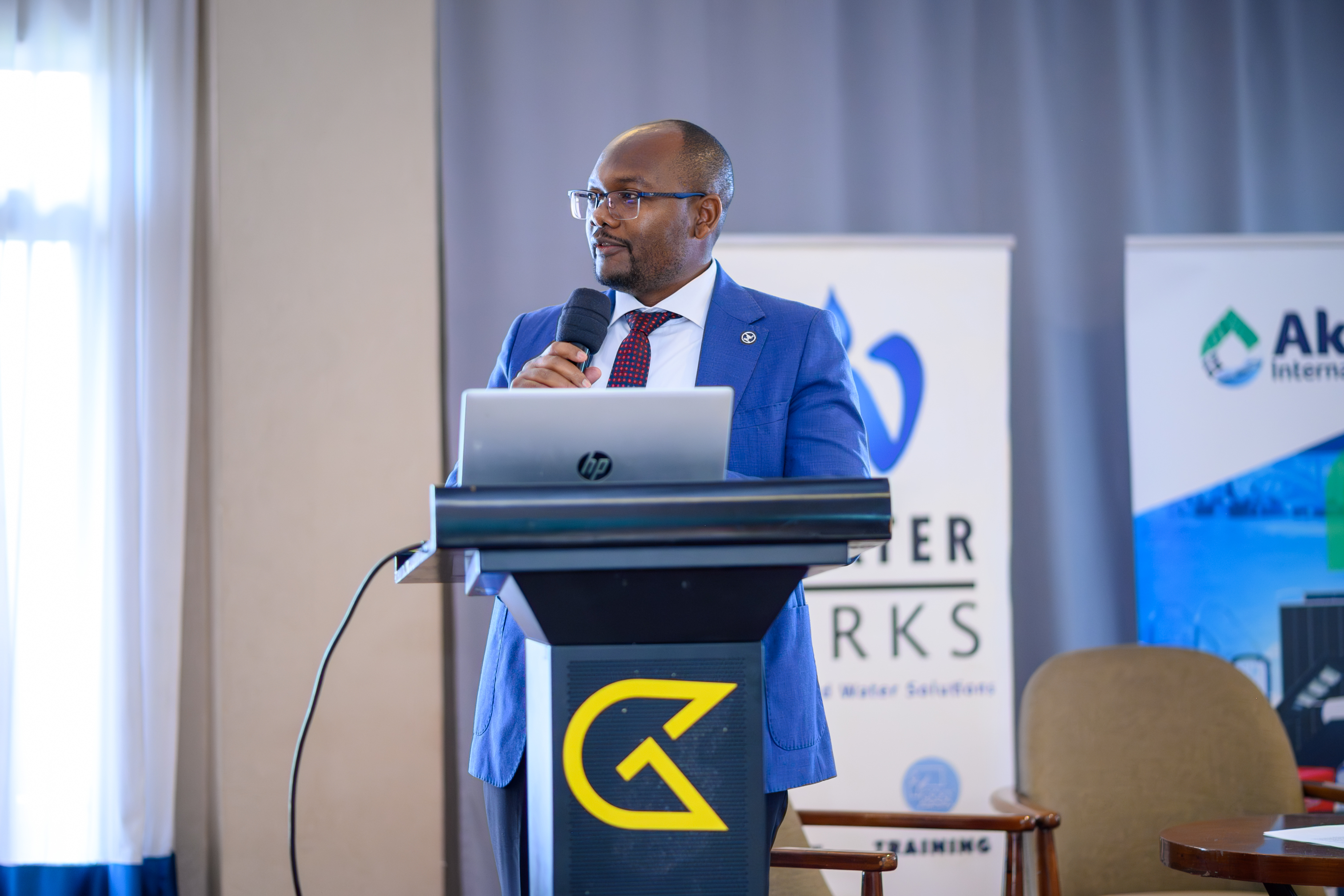
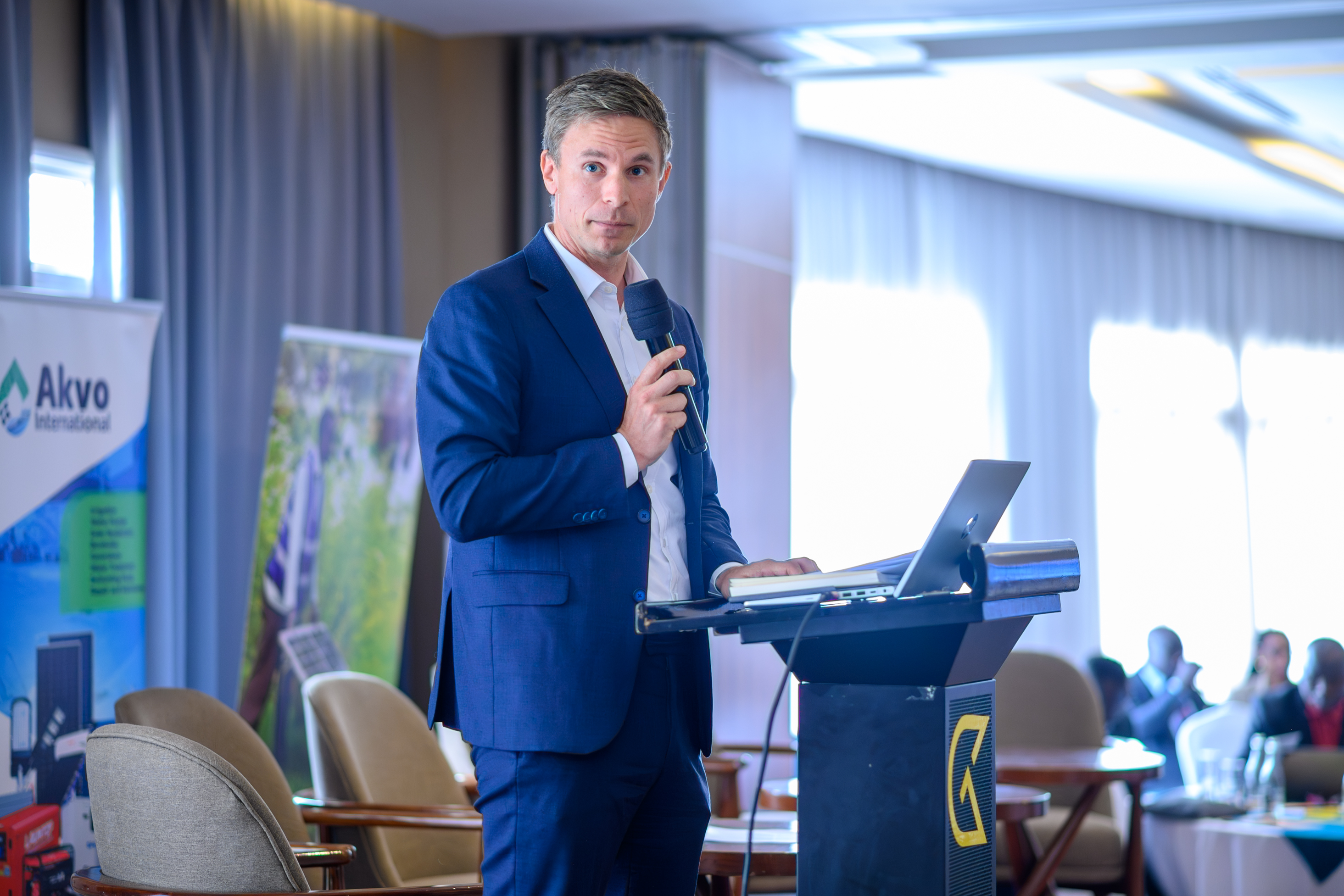
During the opening session for the Forum, Adam Sparre Spliid, Head of Cooperation and Deputy Ambassador of Denmark to Uganda, highlighted both the urgency of climate adaptation and the transformative potential of solar technologies for rural development.
“The same sun that is creating the droughts, killing the crops at the fields, now with this new technology is actually also the same power that can water the same fields and create the resilience and the increased yields that can propel development.”
He stressed that moving from pilot projects to systemic transformation would require new approaches to finance and partnership building. “We need to create a financial ecosystem where a smallholder farmer in a remote district can access a solar kit as easy as a businessman in Kampala can.”
Access to finance the biggest bottleneck
Despite growing demand and proven technical solutions, access to finance remains the single biggest bottleneck for scaling solar-powered irrigation in Uganda.
There is a persistent mismatch between financial products and the realities faced by smallholder farmers. While concessional schemes and subsidy programmes already exist, many farmers still struggle to access suitable financing products.
A major opportunity identified during the forum was the development of aggregated SPIS investment pipelines linking farmer organizations, financiers and technology providers.
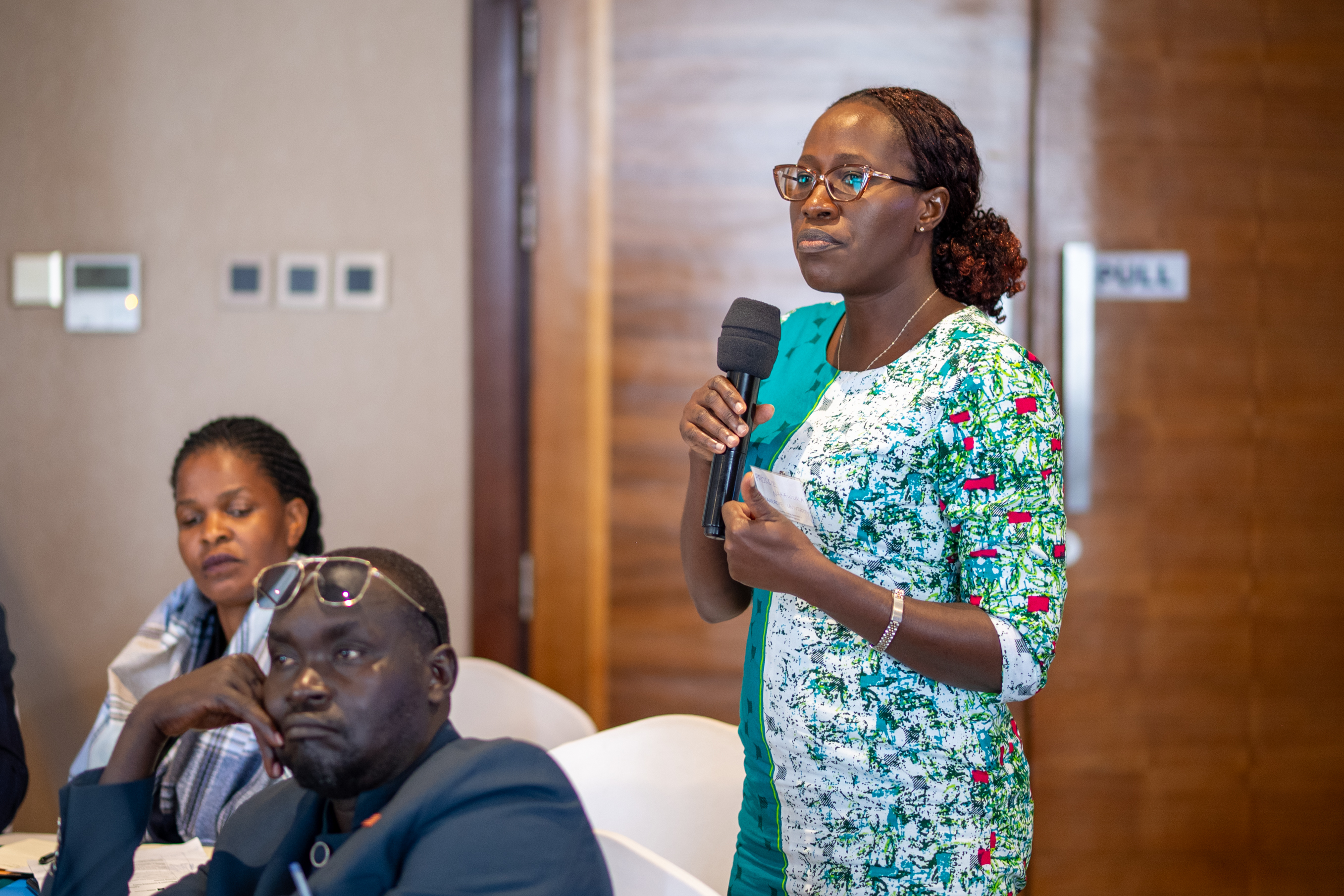
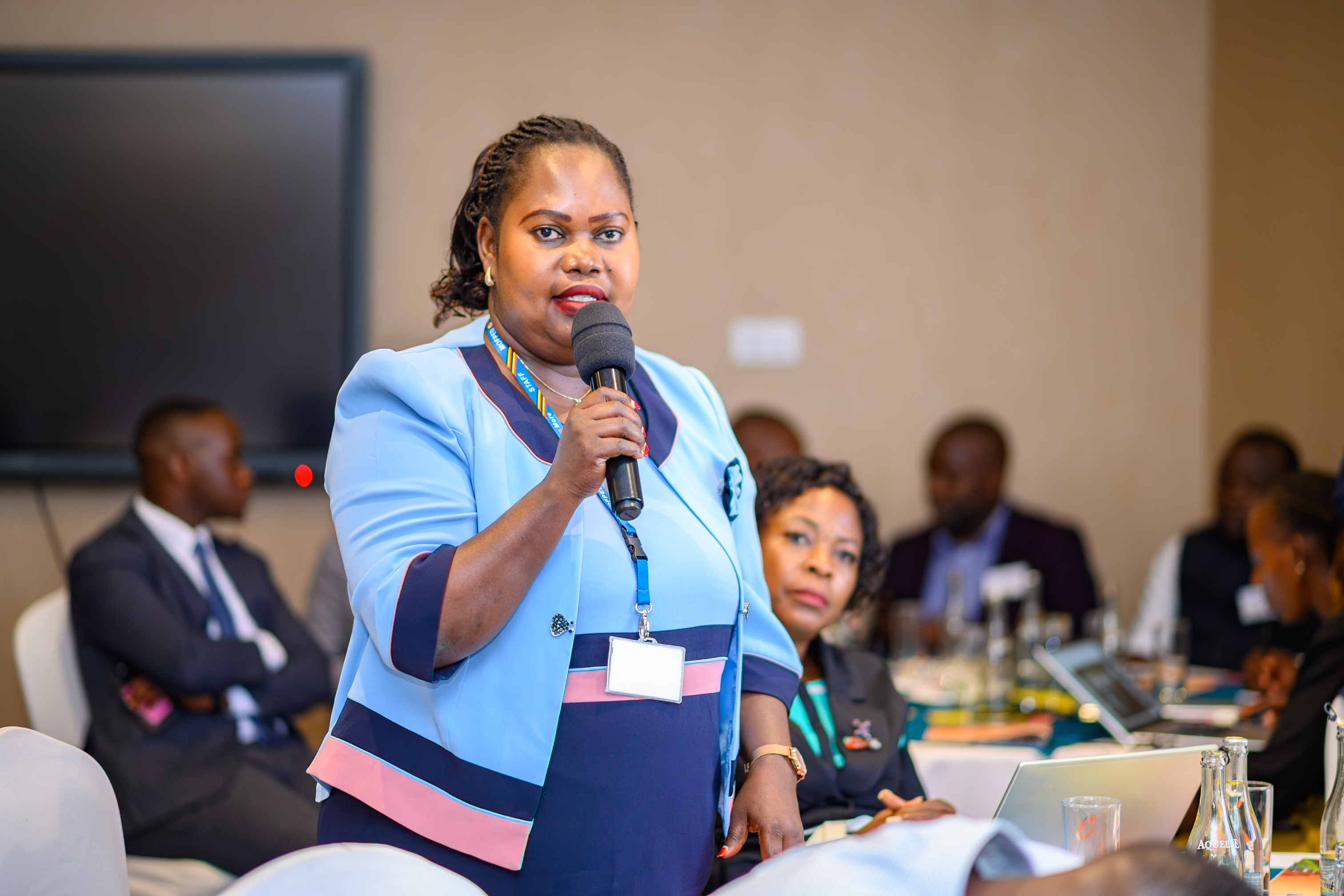
Participants emphasized that that partnerships across the ecosystem – and across the different functions in the ecosystem – are essential to scale solutions.
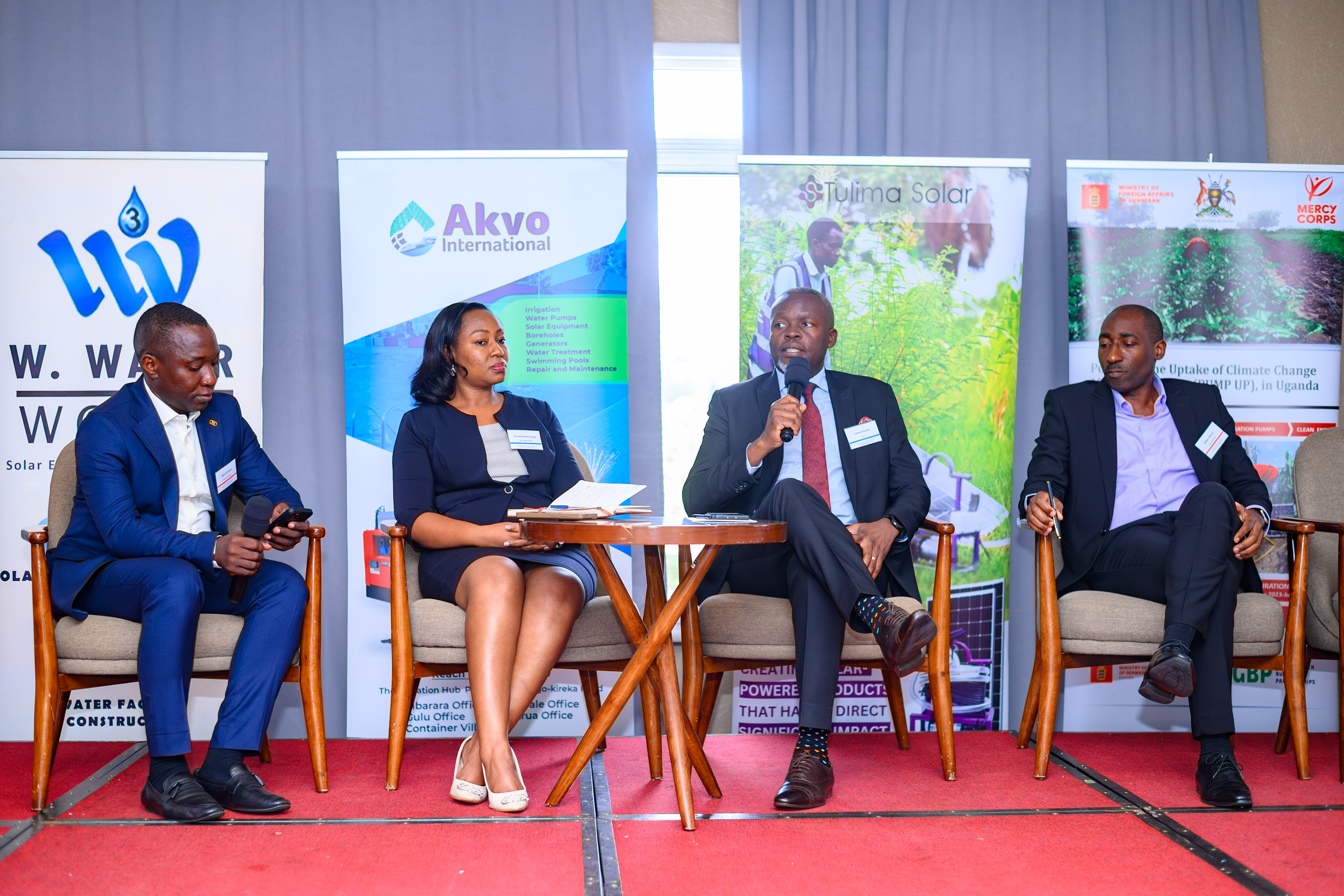
“We as an ecosystem and we as the players in the ecosystem, we really need to collaborate more.” said Dorothy Kyomuhangi, Senior Investment Analyst Pearl Capital Partners, as participants called for the establishment of a formal climate technology coordination and partnership platform to improve collaboration across the ecosystem.
“what’s happening in this room, I think, is a very important platform to connect us. I wish it could become a platform where we can engage, and help us to get connected.” William Matovu, CEO at Heifer International said of the proposed platform.
The proposed functions of this platform, which would be broader than SPIS technologies, include pipeline matchmaking, investment coordination and clearer definition of roles between financiers, suppliers, development partners and farmer organizations.
Data and innovations
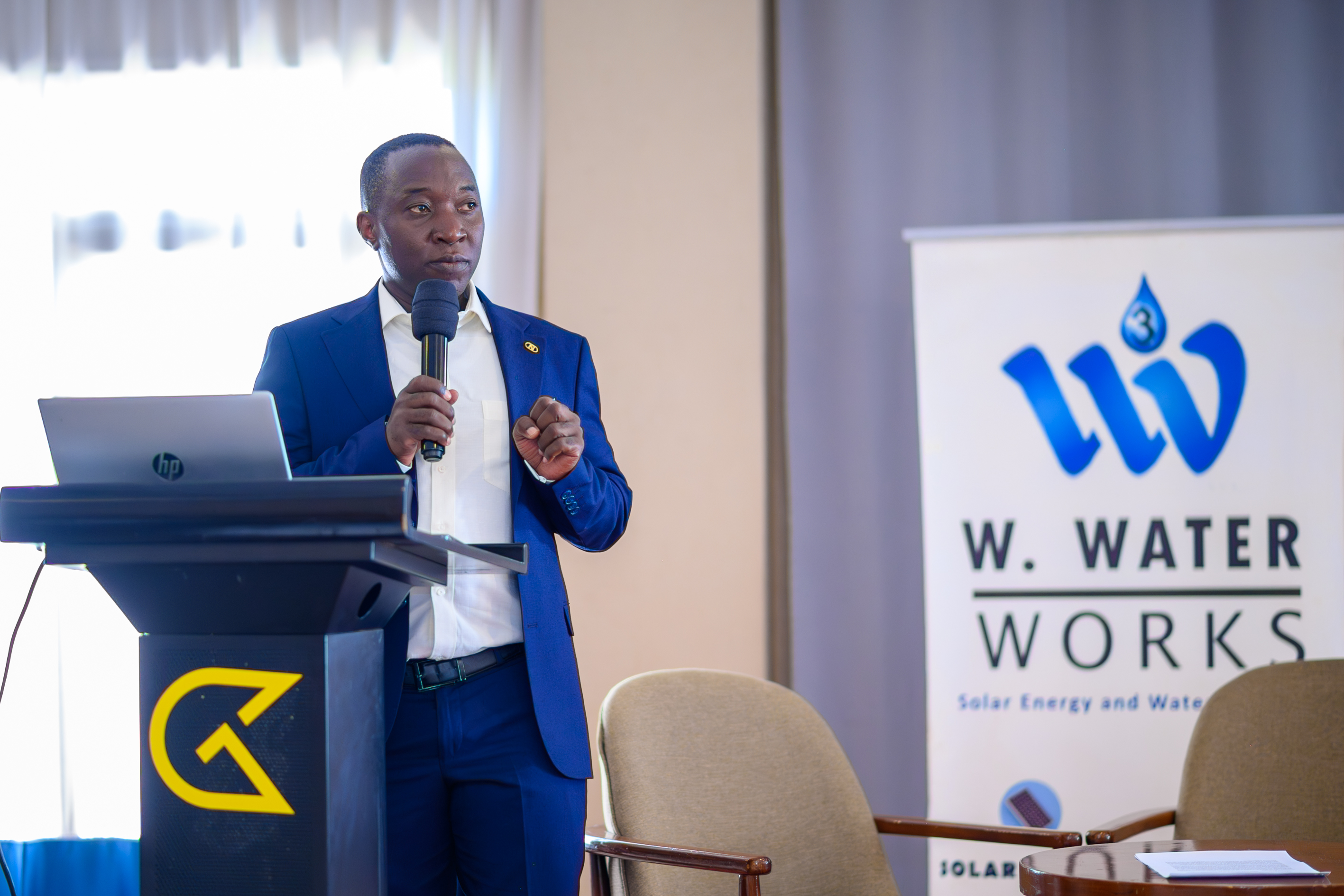
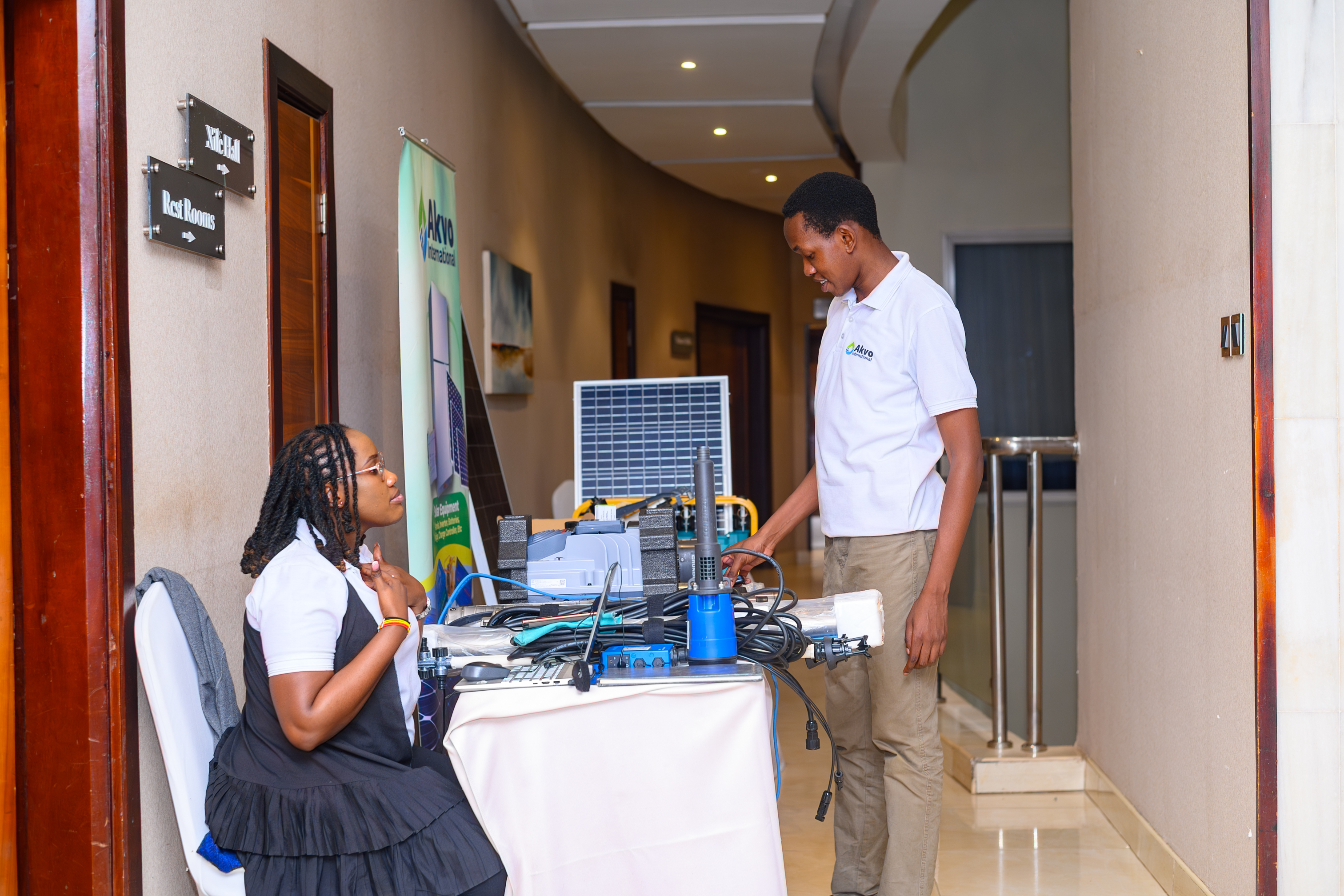
Another key theme at the forum was the role of digital innovation and data systems in transforming SPIS into more “bankable” assets. Stakeholders discussed the potential of IoT-enabled monitoring systems capable of integrating technical performance data including water output, uptime and system usage, with financial information including payment and repayment behaviour. Douglas Baguma, CEO at Innovex and Chairman at the Uganda Solar Energy Association highlighted how such systems could help reduce investment risk while improving transparency and operational efficiency.
Insurance was also identified as a critical enabler for scaling investment, embedding insurance products directly into SPIS financing packages to protect against both climate-related and asset-related risks, including drought, yield losses and equipment theft.
Irrigation as part of NDCs and national finance strategies
From the Ugandan government the importance of embedding solar-powered irrigation more systematically within Uganda’s national climate and development frameworks was stressed. Integrating SPIS targets into Uganda’s NDC 3.0 and aligning future investments with national climate finance mechanisms currently under development, with support from UNEP Copenhagen Climate Centre.
As Uganda seeks to strengthen climate resilience and accelerate agricultural transformation, stakeholders agreed that coordinated public-private collaboration will be essential to unlocking investment at the scale required.
James Muhwezi, Senior Climate Finance Officer, Climate Finance Unit, Ministry of Finance, Planning and Economic Development concluded the event by encouraging actors to engage directly with the government.
“I want to encourage all of us in the room, as long as you have got a very good idea that is transformative, that is going to help contribute to the improved livelihoods of our community, don’t hesitate to reach out to us and come to Ministry of Finance to present your ideas because that is what the Climate Finance Unit exists to do.”